THE BEST CHANGING ROBES & PONCHOS FOR WATER SPORTS
PONCHOS COLLECTION
Performance-driven gear including wetsuits, boardbags, leashes, and more.
What a Changing Robe Actually Does
Strip away the lifestyle marketing and a changing robe does four practical jobs at the same time:
It blocks wind, which is the fastest way you lose heat in a car park after a winter session. It traps the heat your body is still generating while you change. It gives you privacy to strip a wet wetsuit without flashing the rest of the launch site. And it doubles as a towel, so you don’t need to fumble with a separate one in the cold.Done well, it does all four without making you think about any of them. Done badly, it’s a damp, draughty sack that you regret packing.
Why Riders Use Them
The riders who get the most out of changing robes aren’t the ones with the longest wetsuits - they’re the ones with the longest sessions and the worst weather. If you ride year-round, you’ll quickly see why a robe earns its place in the boot of the car. Even in summer, a poncho-style towel-lined version makes barefoot post-session changes on hot car parks bearable and means you can change before the drive home without dripping into the seats.The other big use case is multi-session days. If you’re doing two kite sessions in a day with a couple of hours between, a robe lets you stay warm and dry between sessions without having to fully unpack and re-pack your kit. Same goes for surf trips, wave hunting along a coast, or any travel-and-ride day where you might be in and out of the water multiple times.
How Impact Vests Work - Construction, Materials & CE Ratings
The two terms get used interchangeably, but they’re built differently and solve slightly different problems.
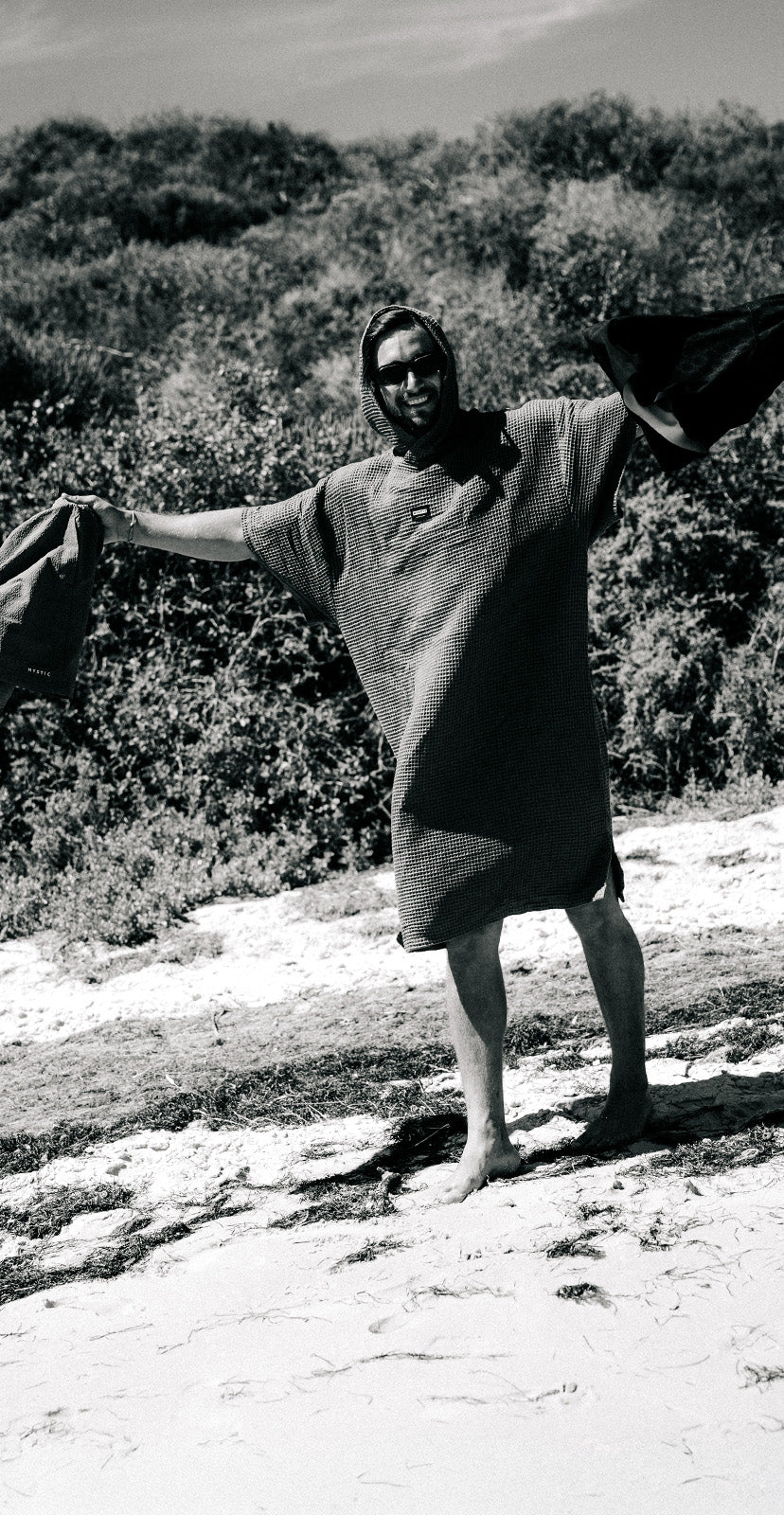
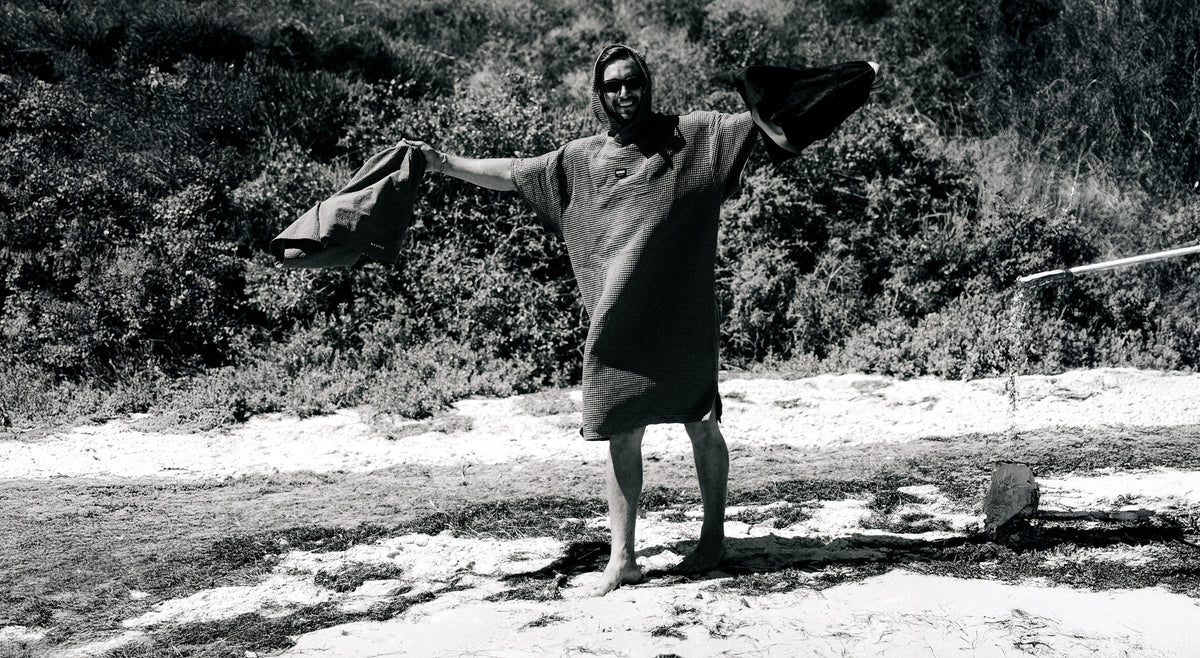
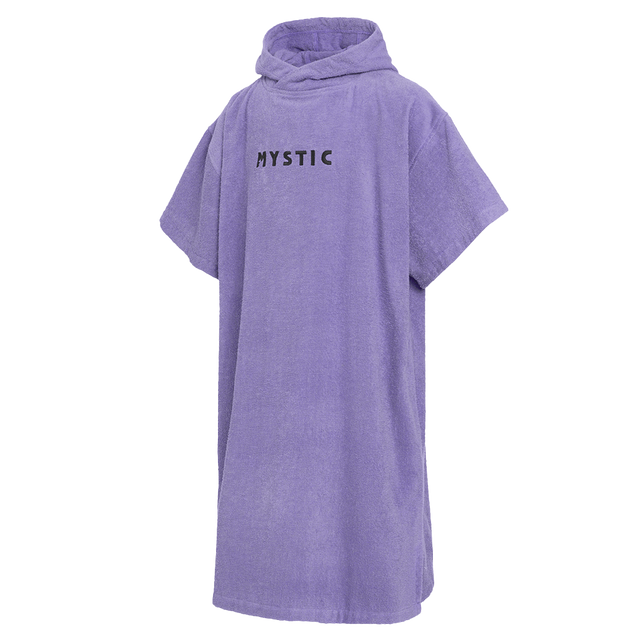
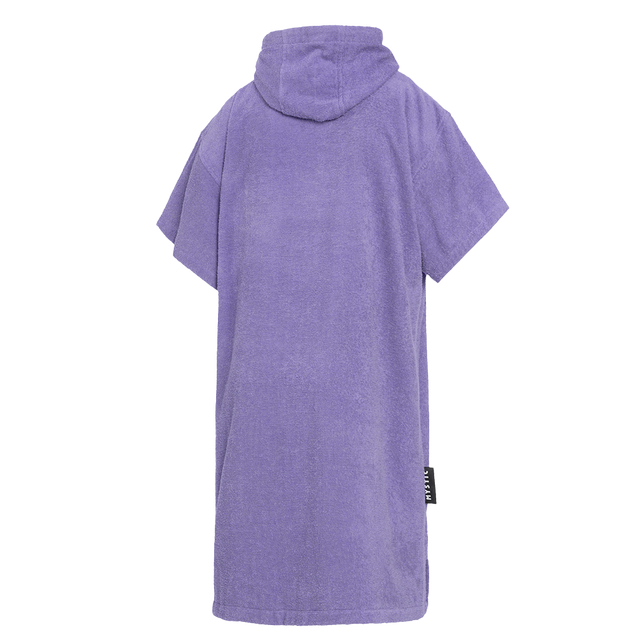
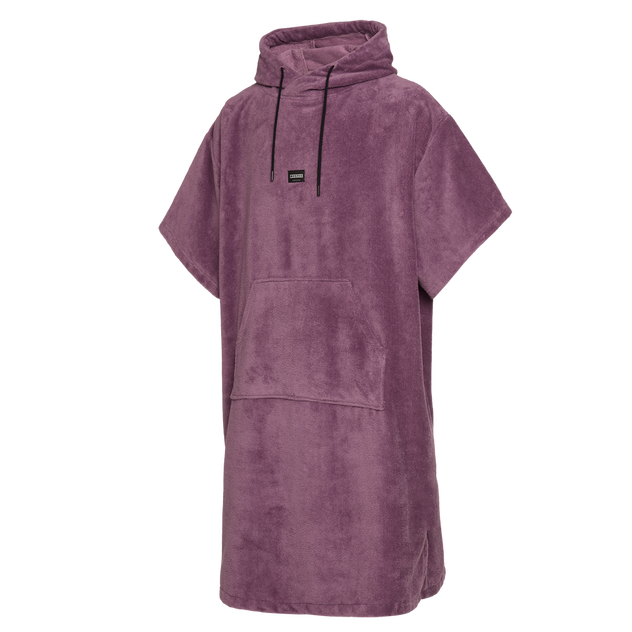
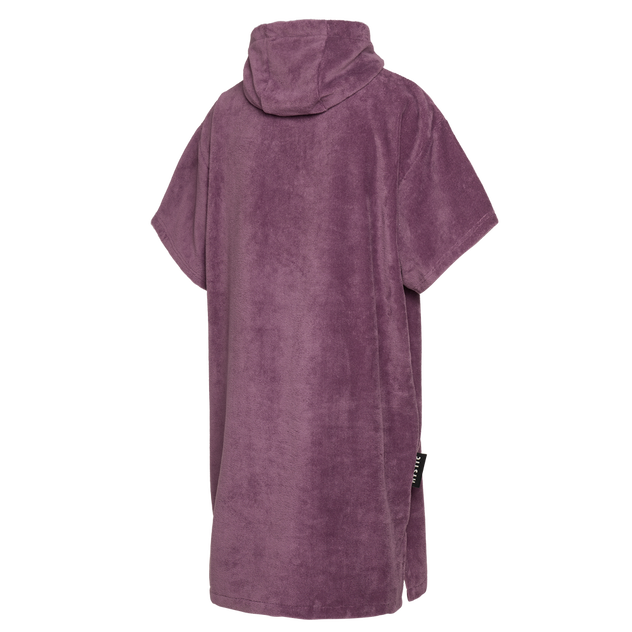
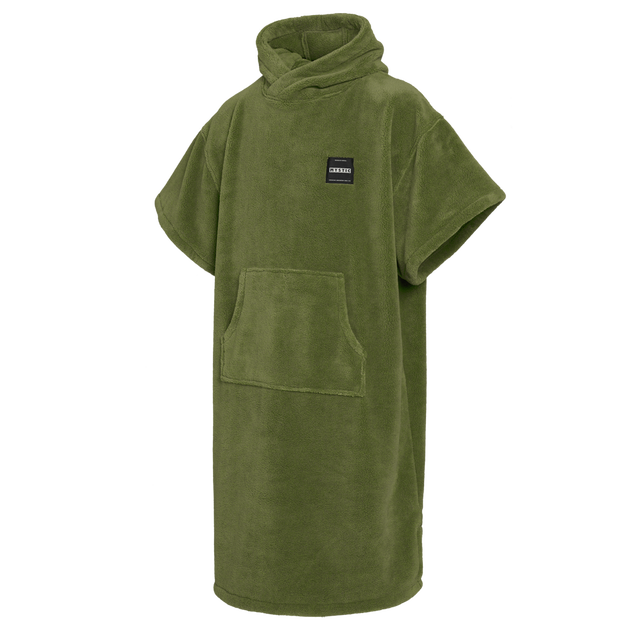
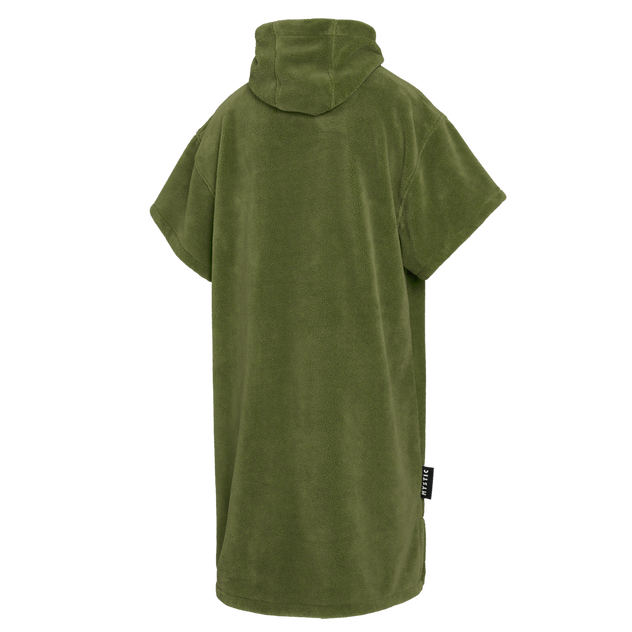
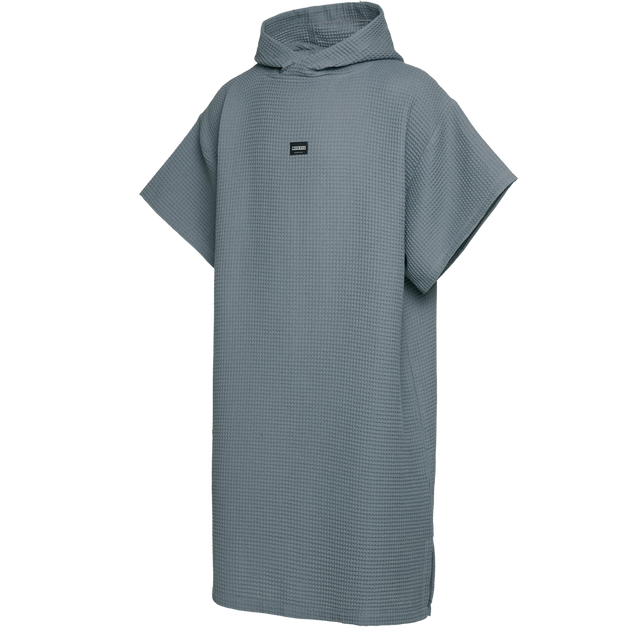
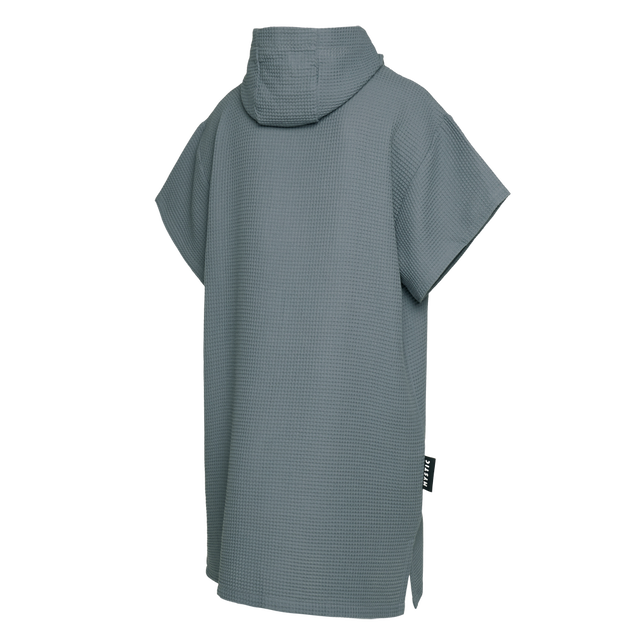
A changing poncho is a slip-over towel garment, usually with no zip, made from fleece or absorbent cotton or microfibre. You pull it over your head, change underneath, and it dries you off as you go. Lightweight, packs small, mostly used for warm-weather sessions or as a summer towel-replacement.
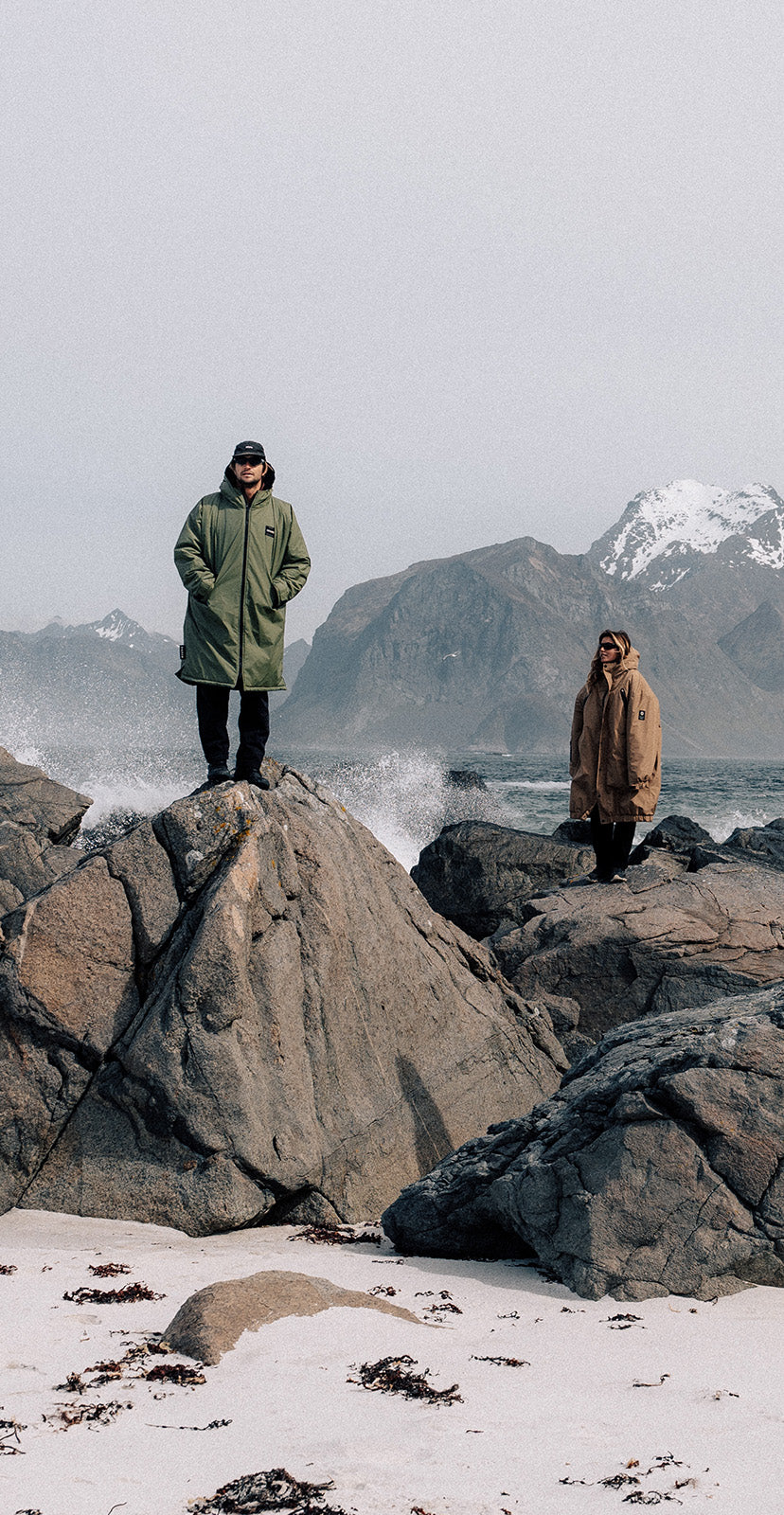
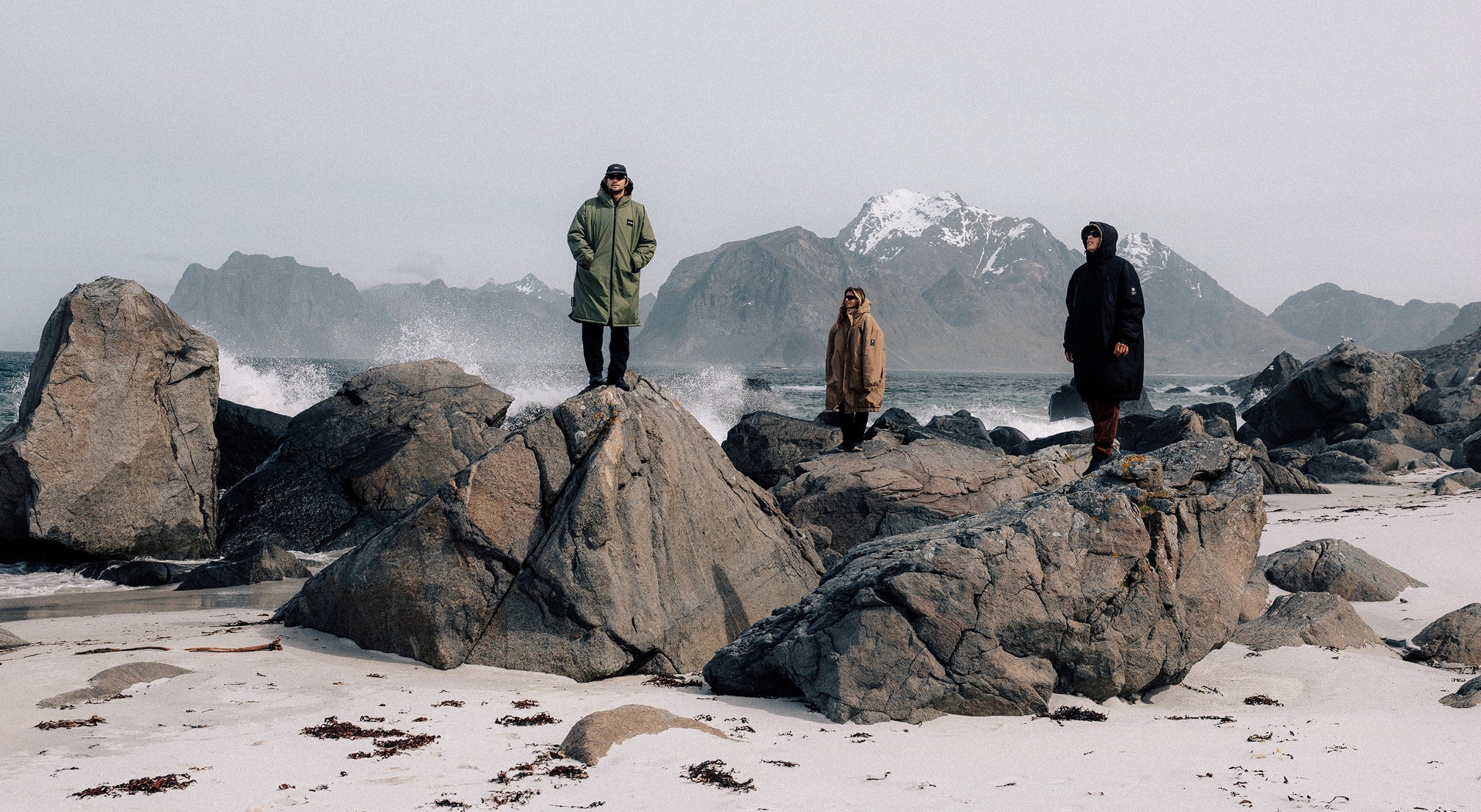
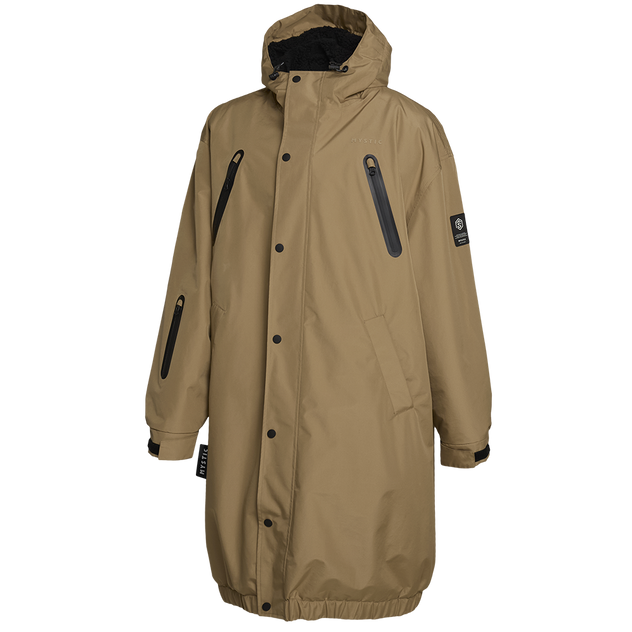
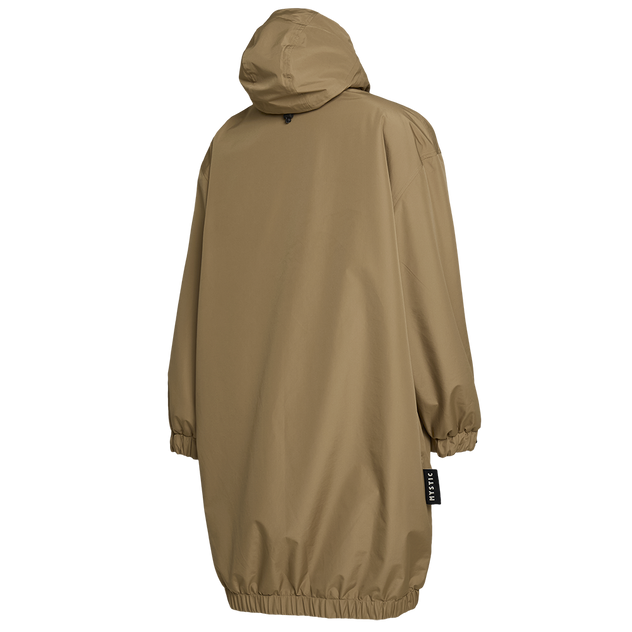
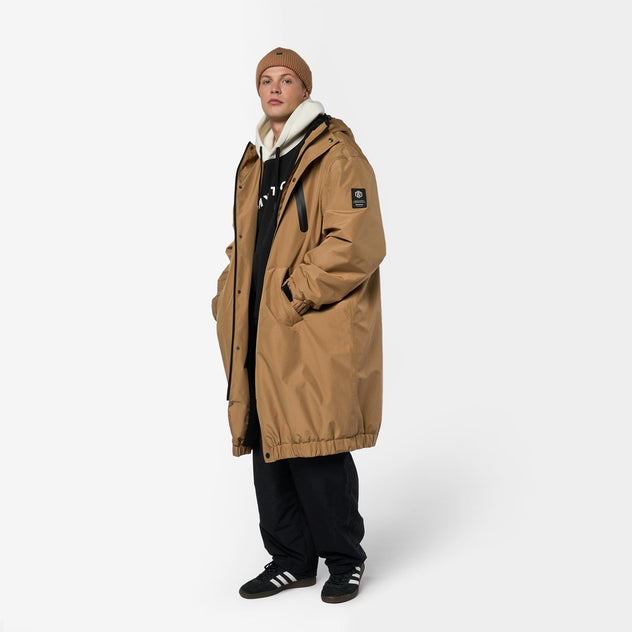
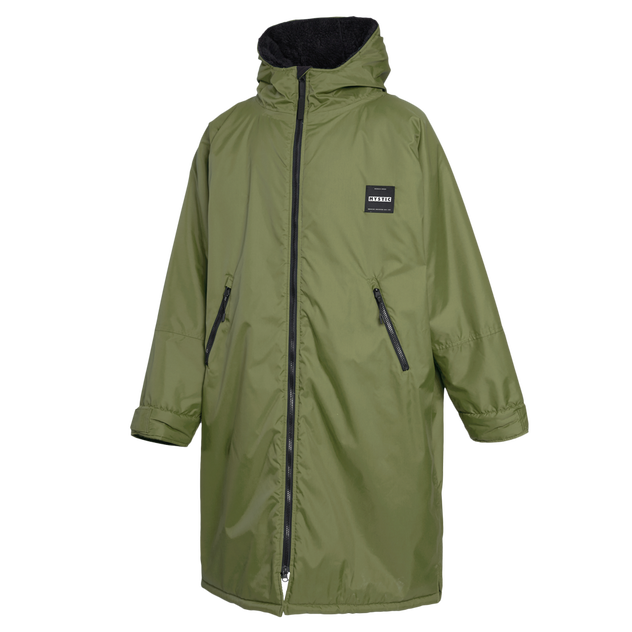
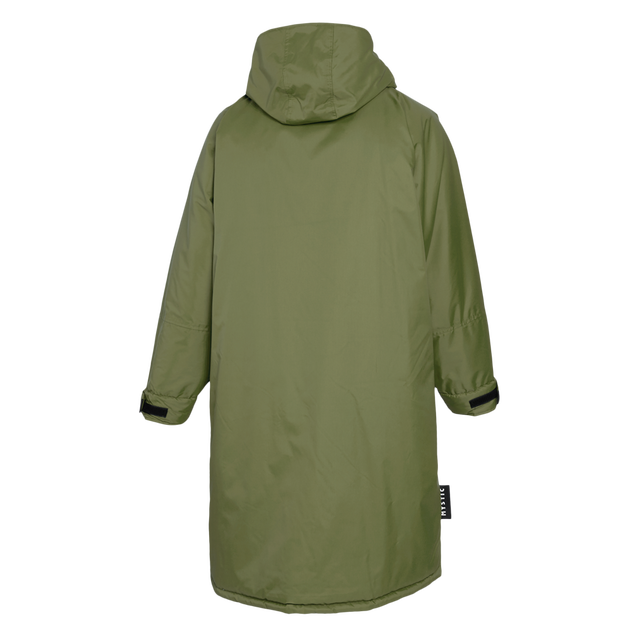
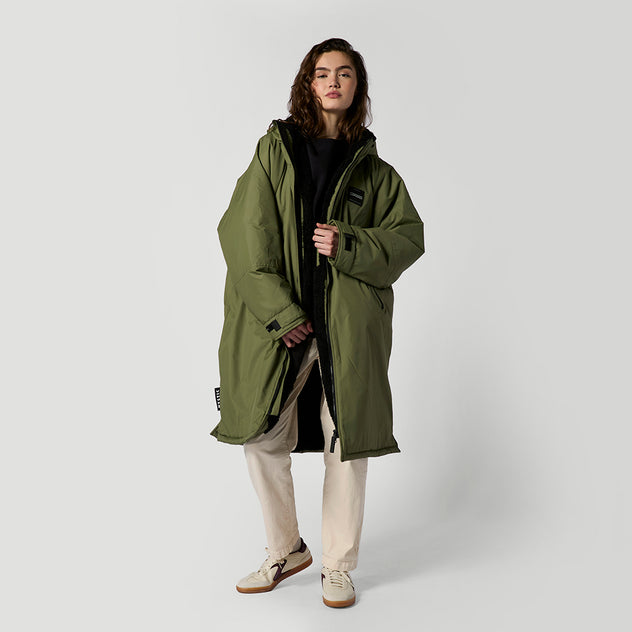
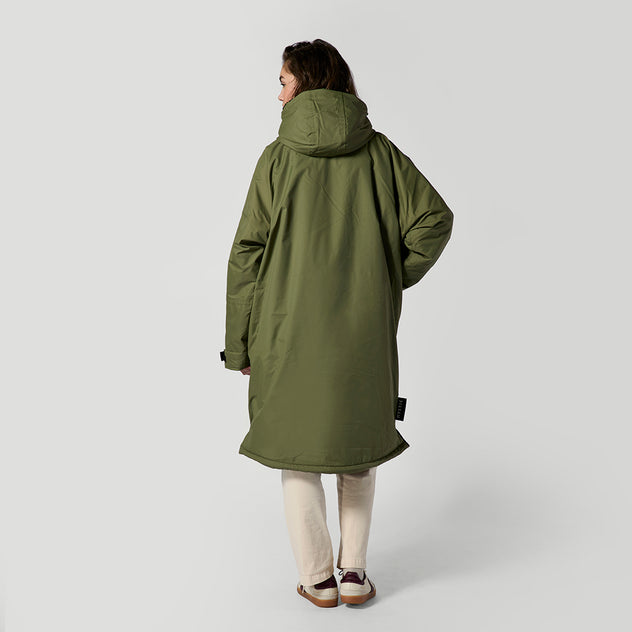
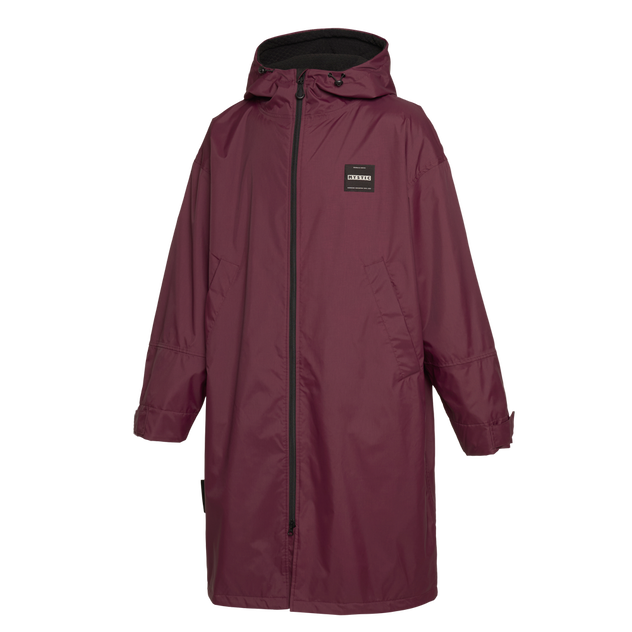
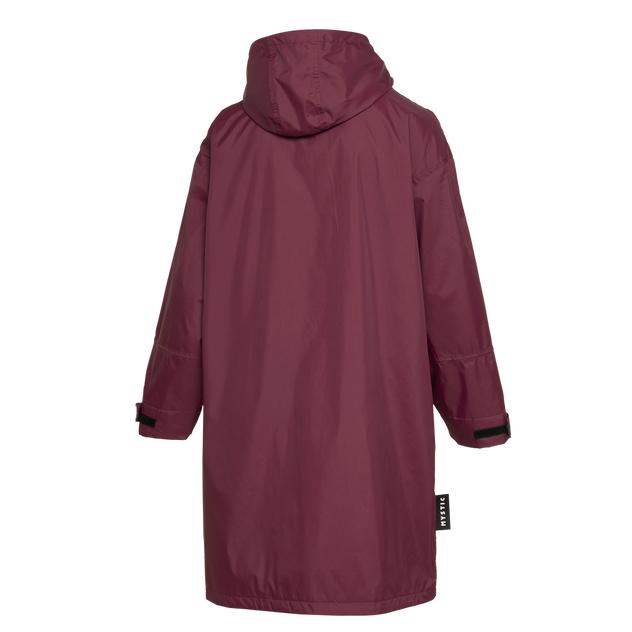
A changing robe is heavier-duty, full-length, usually with a waterproof outer shell and a sherpa or fleece interior. Most have full-length zips, sleeves, and a hood. Built for cold-water riders who need windproof warmth as well as a place to change.
A practical rule: warm weather and quick changes call for a poncho. Cold weather and long sessions call for a robe. A lot of riders end up owning both - a poncho for summer surf sessions and a heavy-duty robe for winter kite or surf trips. Browse our full range of changing robes and ponchos to see both side by side.
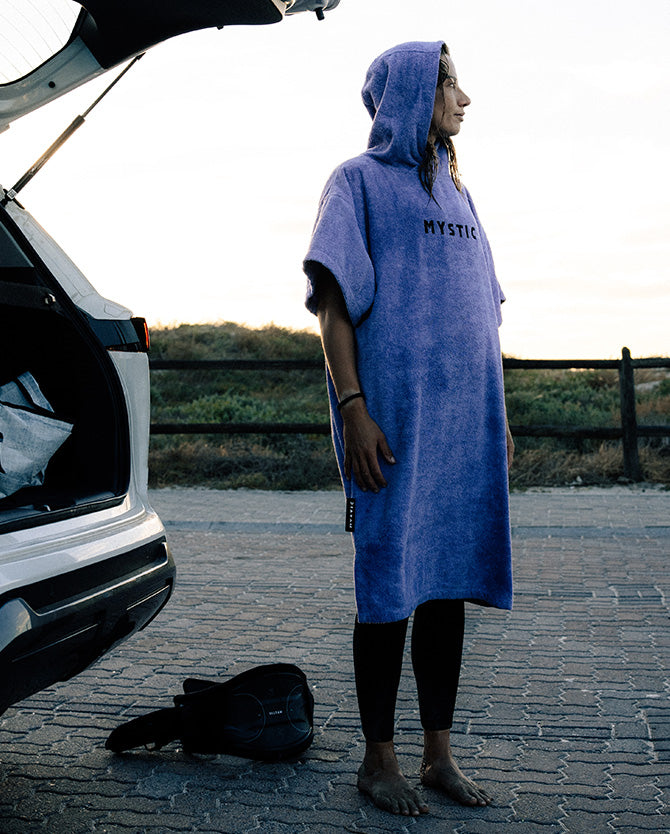
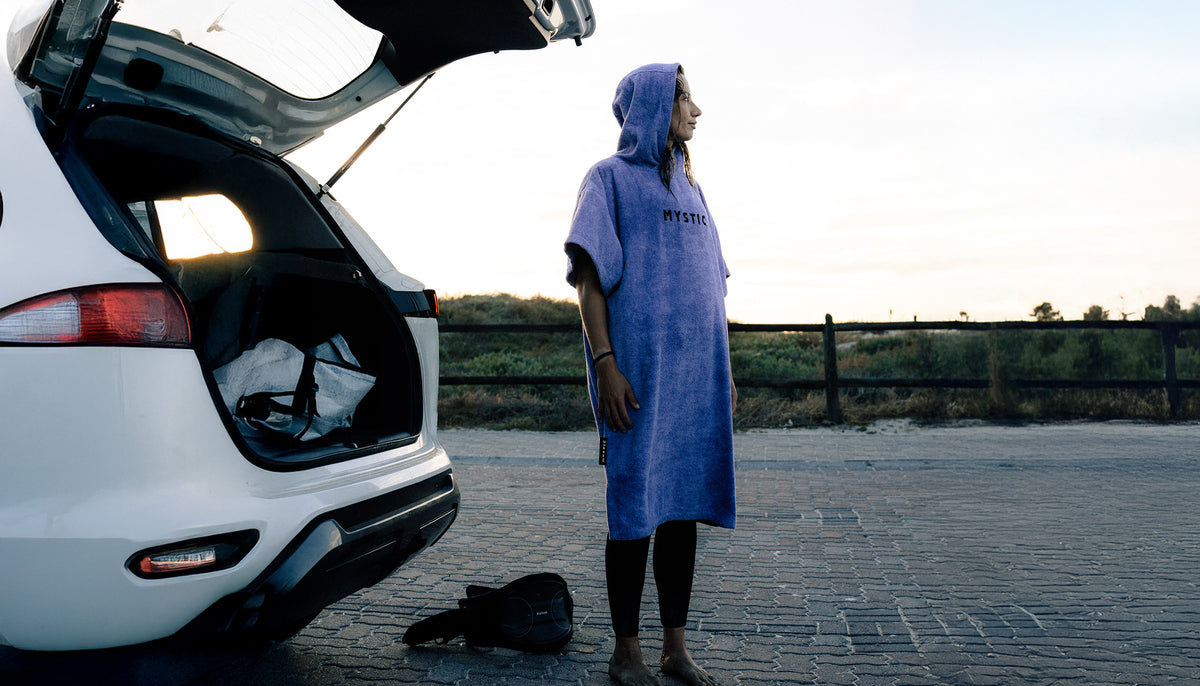
A proper cold-water robe needs a waterproof and windproof outer shell. Polyester with a polyurethane coating is the standard - light, packable, and effective against the wind that strips heat from a wet wetsuit. Look for taped seams on the shoulders and back if you want it to actually shed rain rather than soak through.
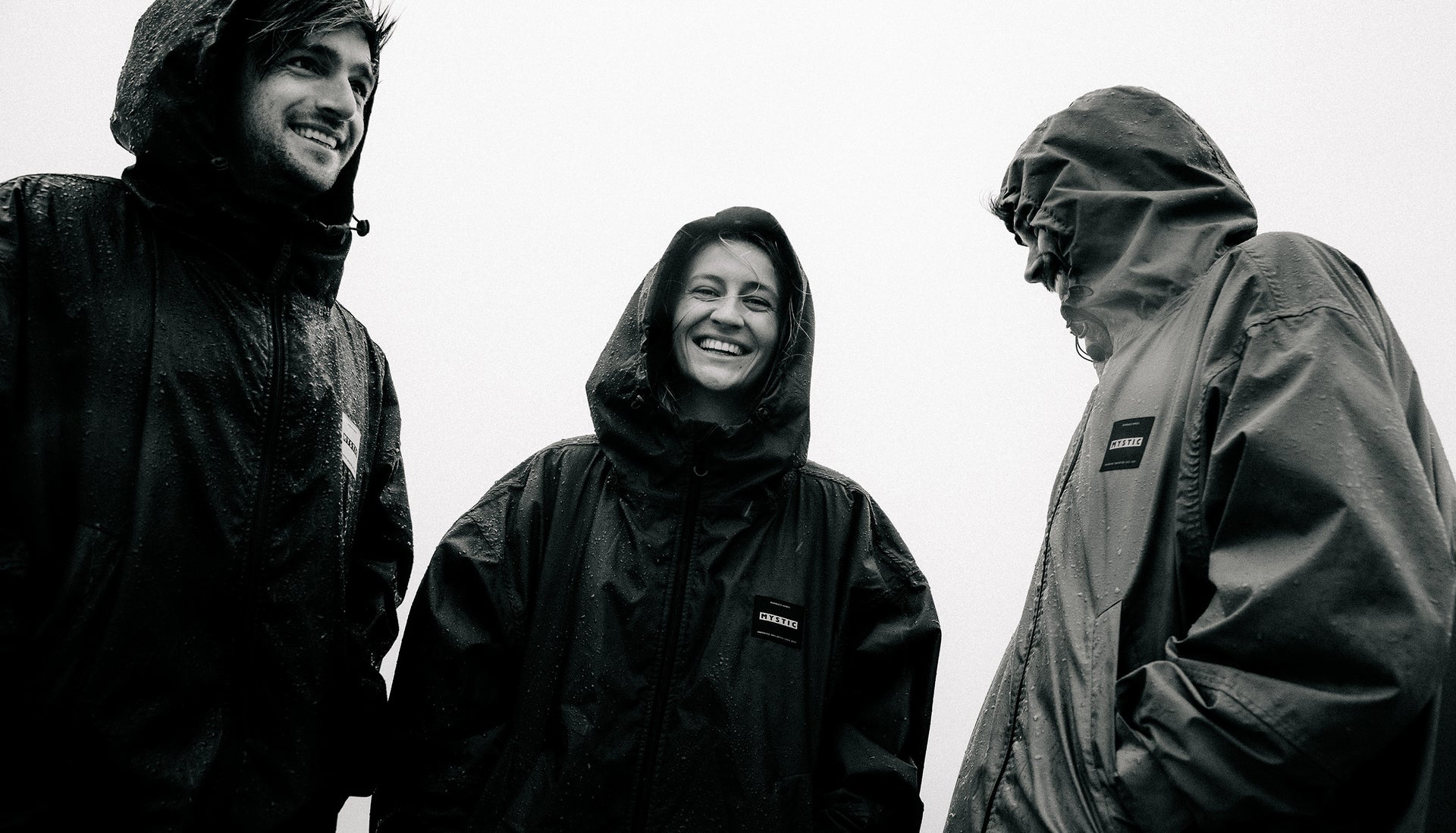
The shell does more than keep you dry. It’s also what makes the robe windproof, which matters more than waterproofing for most car park sessions. A fleece-only robe with no shell will let wind cut straight through it within a few seconds. A shelled robe creates a still-air layer between you and the wind, and the warm air your body generates inside the robe stays put.
The Fleece or Sherpa Interior
The interior is where the warmth comes from. Sherpa fleece - the thick, long-pile fleece that feels almost like sheep’s wool - is the warmest option and the most popular for winter robes. It traps body heat fast and feels comforting against cold skin straight out of a wetsuit.
Standard polar fleece is lighter and quicker-drying than sherpa, which makes it a better fit for shoulder-season robes or for riders who want a robe that packs smaller. Some robes use a hybrid - sherpa across the body where you need warmth, lighter fleece in the sleeves and hood where you need flexibility and faster drying.
Towel-Lined Ponchos
Summer ponchos and many year-round ones use a soft cotton or microfibre towel lining instead of fleece. The towel does two jobs at once: it dries you off as you put it on, and it absorbs any moisture from the wetsuit you’re peeling underneath.Cotton terry feels soft and dries you fast but takes a long time to dry itself. Microfibre dries you almost as well, weighs less, and dries out between sessions much faster. For travel-heavy riders or anyone doing back-to-back days, microfibre is usually the better call. For everyday surf sessions in milder climates, soft cotton terry has a lived-in feel that hard to beat
Quick-Dry vs Heavy-Duty
There’s a real trade-off between warmth and pack size. The warmest robes are bulky - a sherpa-lined waterproof robe takes up real space in a car boot and isn’t ideal for travel. Lightweight quick-dry ponchos pack to almost nothing but won’t keep you warm in genuinely cold conditions.Most riders end up matching robe to climate. If you ride mostly cold winter sessions in one location, get the warmest robe you can fit in your boot. If you travel for sessions, mix climates, or ride mostly mild conditions, prioritise pack size and dry-time.
Key Features to Check
Beyond materials, a handful of design details separate the robes you’ll use for five years from the ones you’ll regret in one season.
Sleeve length. Long sleeves with elasticated cuffs are essential for cold-weather robes - they keep the wind out and let you tuck your hands inside if you need to warm up. Sleeveless ponchos are fine for summer but useless in genuinely cold conditions.
Hood design. A generous, lined hood is a non-negotiable for winter robes. Look for one big enough to fit over a wet head without pulling, with enough depth to actually shield your face from wind and rain. A drawcord helps keep it sealed.
Pocket layout. Practical pockets matter more than they sound like they do. Hand-warmer pockets at the front let you tuck cold fingers in while you’re changing. A zipped chest pocket is useful for keys, phone, or wax. A loose internal pocket is less useful - anything in there bounces around or falls out.
Zip configuration. A two-way front zip is significantly better than a single-direction zip. It lets you open the bottom of the robe while keeping the top closed - useful for stripping a wetsuit without exposing your whole torso to the wind.
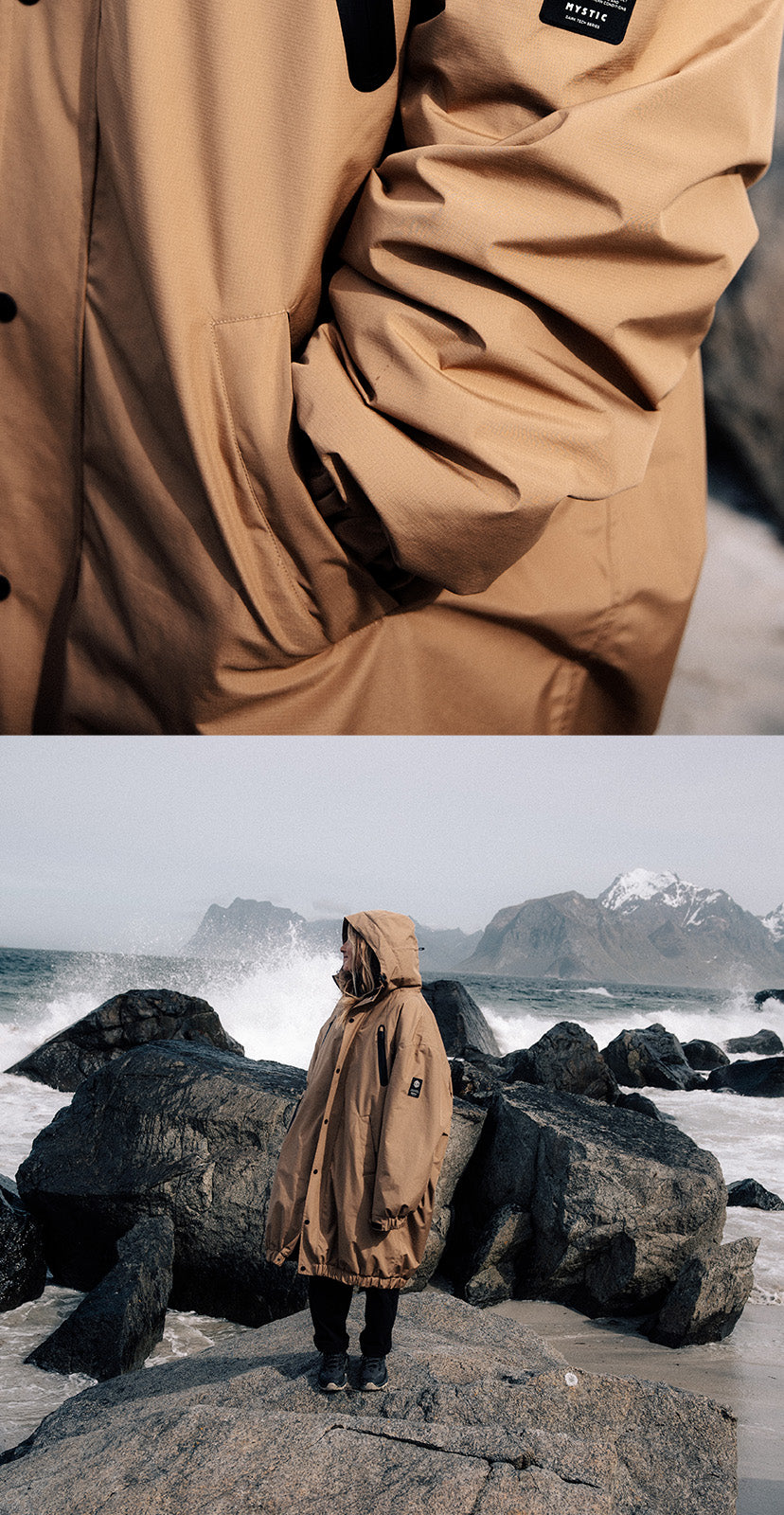
Length. A proper robe should sit at or below your knees. Anything shorter doesn’t trap heat properly and tends to ride up while you’re changing. Mid-calf length is ideal for windy car parks.
Packability. Check whether the robe folds or rolls into its own hood or a separate stuff sack. Robes that pack into themselves are much easier to throw in a car boot or check into a flight than ones that just live as a loose pile of fabric.

Choosing a Robe or Poncho for your Sport
The right choice depends on what you ride, where, and when.
Surfing
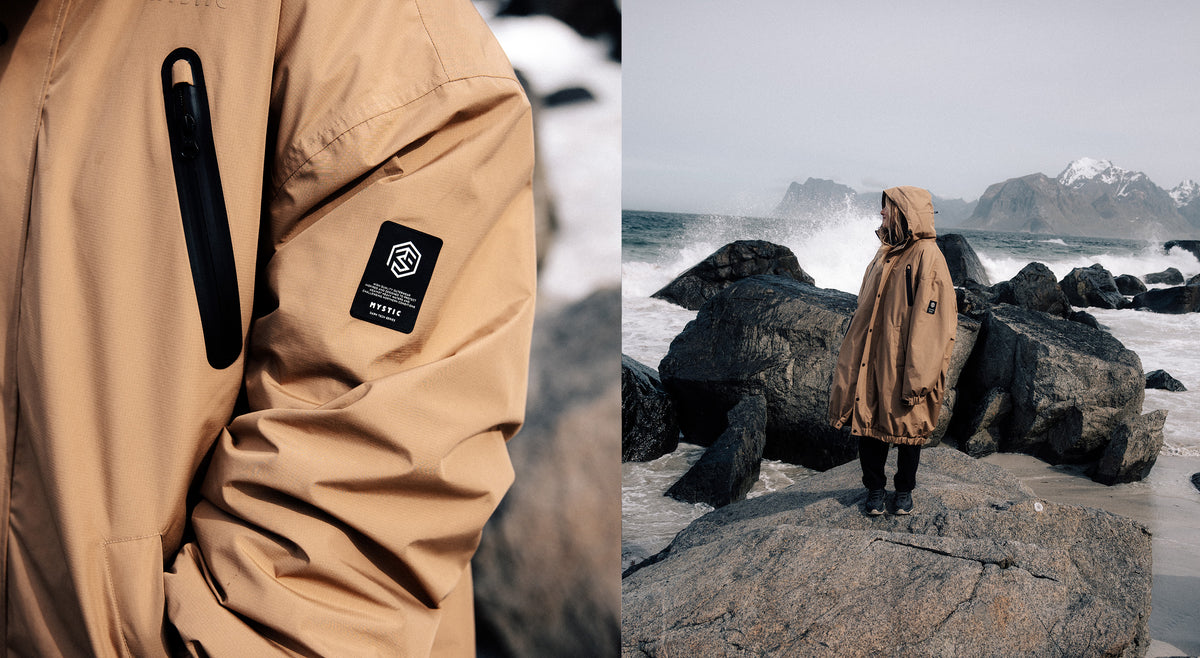
Surfers usually want versatility - a robe that works for dawn patrols in winter and quick summer sessions. A medium-weight fleece-lined robe with a waterproof shell is the strongest year-round choice. For riders who only surf in mild conditions or in the summer, a microfibre poncho is plenty and packs better in a car or on a board bag.If you mostly do dawnies in cold water, prioritise warmth over pack size - you’re going to want sherpa lining and a windproof outer when you’re standing in a car park before sunrise with a wet wetsuit. Take a look at our full ponchos and towels collection for surf-specific picks.
Sizing a Changing Robe
Robes don't have the same precision-fit demands as wetsuits, but they do need to be big enough to actually change inside.
The simplest rule: you should be able to fully strip a wetsuit inside the robe without elbows hitting the fabric or the robe pulling tight at the shoulders. If you regularly wear a 5/4 winter wetsuit, size your robe with that bulky neoprene in mind - you’ll need more room than your normal clothing size suggests.
Most brands offer a range that maps roughly to standard clothing sizes (S, M, L, XL) with one or two unisex options. Check height as well as chest measurement - a robe that’s right around the chest but too short doesn’t trap heat properly.
For kids’ robes, prioritise sleeve length and hood size. Kids grow out of robe length quickly but a too-narrow chest or a hood that’s too small are uncomfortable enough to make them not want to wear it. Most of our junior changing robes are sized with growing room built in.
Care, Drying & Lifespan
A well-made robe should last five years of regular winter use if you look after it properly.After every session, hang the robe inside-out in a ventilated space to dry. Don’t store it damp - sherpa and fleece both develop mildew fast if they’re left wet inside a kit bag. If the outer shell got salty, rinse it lightly with fresh water before drying.Most robes can be machine-washed at 30°C with a mild detergent. Don’t use fabric softener - it coats the fleece fibres and reduces how well they trap warmth. Don’t tumble dry on high heat; if you must tumble dry, use the lowest setting. Air drying is always better and faster than people expect once the robe is hung properly.
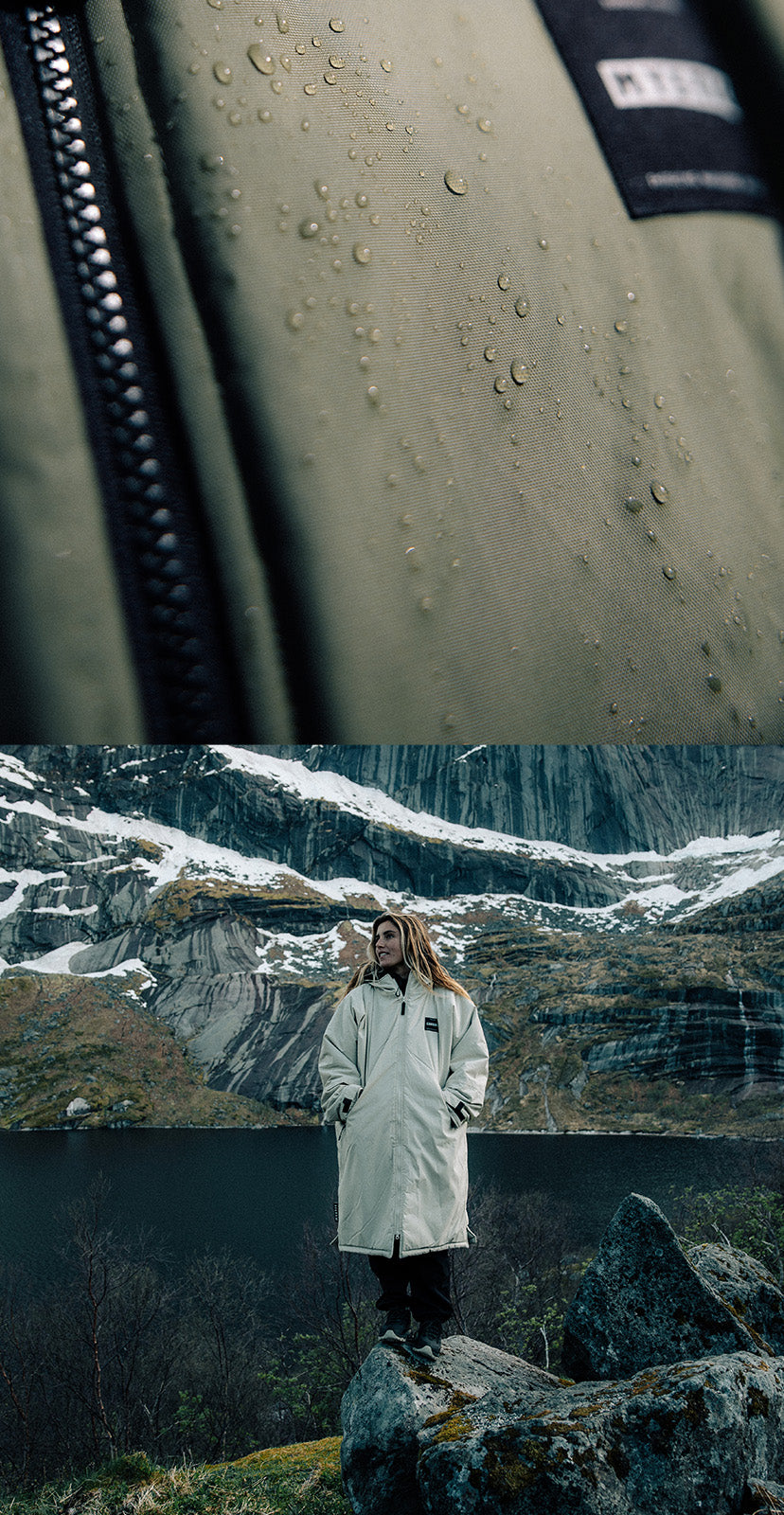
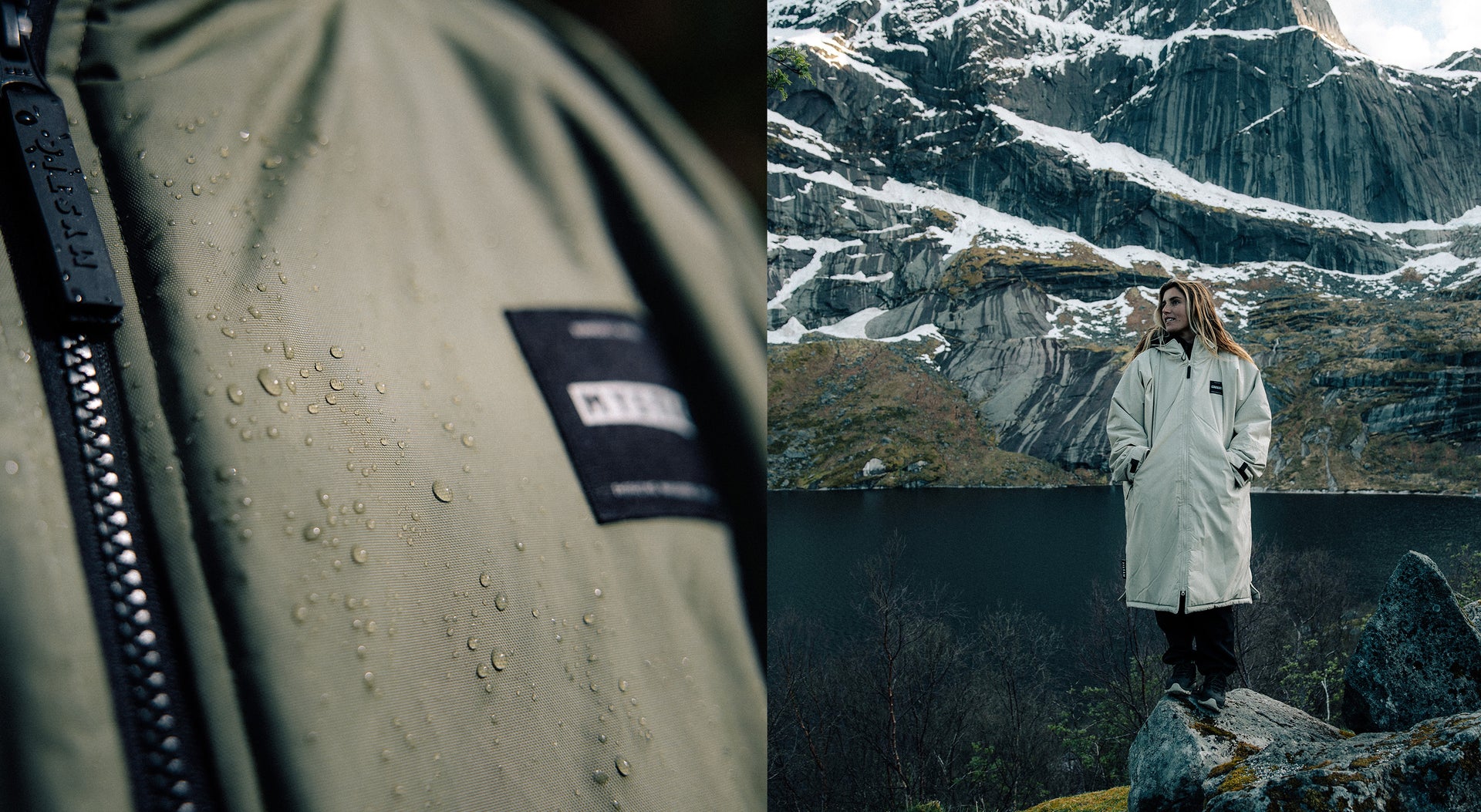
Reproof the outer shell every couple of seasons with a wash-in or spray-on waterproofer designed for technical fabrics. The waterproofing on any shell degrades over time, especially with salt and UV exposure, and a quick reproofing treatment restores most of the original performance.
Building a Year-Round Setup
Most committed water sports riders end up with two robes - one heavy-duty for winter and one lightweight for summer. The combination handles the full range of conditions without one robe doing two jobs badly.
A sherpa-lined waterproof robe handles cold sessions, wind exposure, and post-dawnie warm-ups from October through April. A microfibre poncho handles summer sessions, travel days, and warm-weather quick changes from May through September. The two together cost less than the most expensive single robe on the market and cover every condition you’ll ride in.
If you can only justify one, work backwards from your worst sessions. The robe you need most is the one that performs in the conditions you find hardest to deal with, which for almost everyone is cold winter days in the wind.
You may also like



FAQ
A changing poncho is a slip-over garment with no zip, usually fleece-lined or towel-lined, designed to pull on over your head while you change underneath. A changing robe is full-length and zipped, with sleeves and a hood, usually with a waterproof outer shell. Ponchos are lighter and pack smaller; robes are warmer and better for cold weather.
If you ride in cold water, yes - a robe transforms how you feel after a winter session and is one of the most useful single pieces of non-essential kit you can own. If you only ride in summer or in warm climates, a microfibre poncho or a good towel will probably do everything you need without the bulk and cost of a robe.
The best ones are. Look for a polyester shell with a polyurethane coating and taped seams if you want a robe that genuinely sheds rain. Fleece-only robes will keep you warm but will soak through in a downpour. Most riders prioritise windproof performance over fully waterproof, since the wind is what actually steals heat after a session.
Pull the poncho on over your head so it covers from shoulders to mid-thigh. Reach up underneath to peel your wetsuit off your shoulders, then push the suit down to your ankles and step out. Reverse the process to put dry kit on. Most riders get this down to about 90 seconds with practice, and the poncho means none of it requires undressing in public.
Most modern changing robes can be machine-washed at 30°C with a mild detergent, though you should always check the care label on the specific robe. Avoid fabric softener - it coats the fleece and reduces how well it traps warmth. Air drying is far better than tumble drying; if you must tumble dry, use the lowest heat setting.
For cold conditions, sherpa fleece interior with a waterproof polyester shell is the standard combination - sherpa for warmth, polyester shell for wind and water protection. For warm conditions and travel, microfibre offers most of the absorbency of cotton terry at a fraction of the dry time and weight. Soft cotton terry feels great for everyday warm-weather use but takes a long time to dry between sessions.
A well-made changing robe should last five or more years of regular use if you rinse it after salty sessions, hang it to dry, and store it dry. Re-treat the outer shell with a technical fabric waterproofer every couple of seasons to maintain water repellency. The interior fleece eventually compresses and loses some warmth, but most robes are still useful well past the five-year mark.