
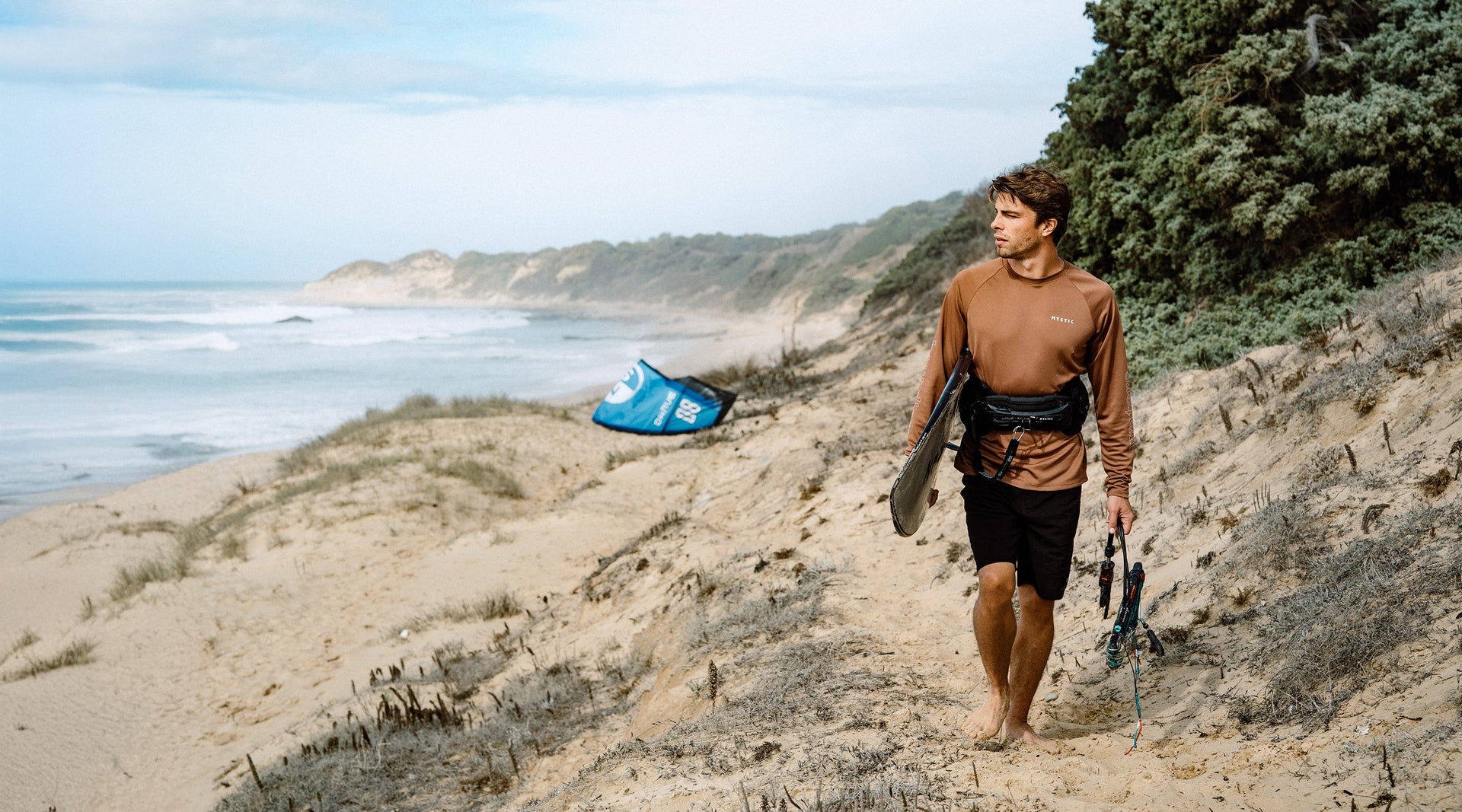
RASH VESTS & UV PROTECTION: THE COMPLETE WATER SPORTS GUIDE
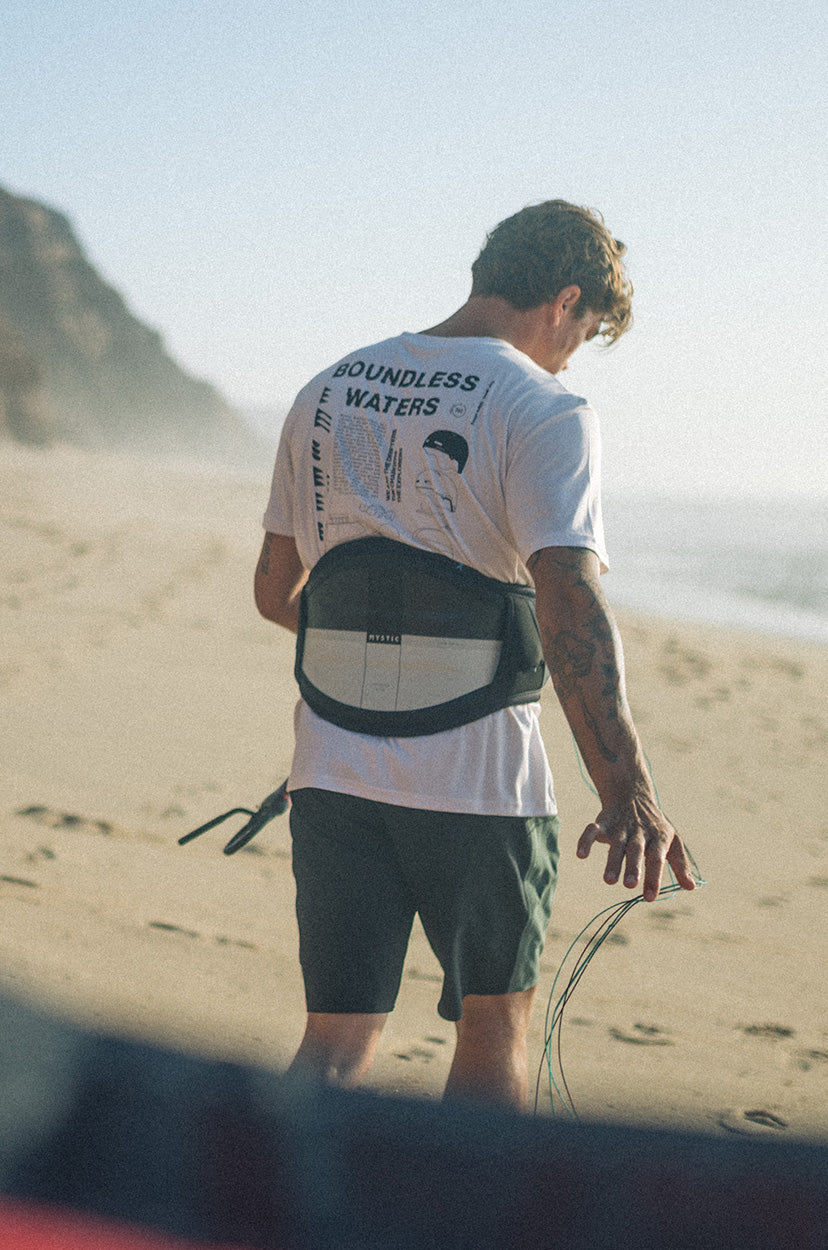

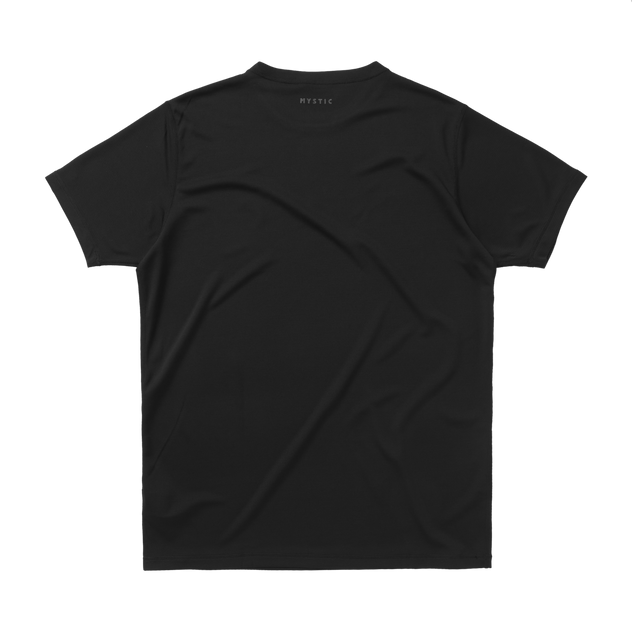
RASH & QUICKDRY COLLECTION
The most-worn piece of kit in many water sports riders’ bags isn’t a wetsuit or a harness. It’s a rash vest. Worn under a wetsuit in milder water it stops chafing where the neoprene rubs raw. Worn alone in summer it blocks the sun from cooking your shoulders for the four-hour session you didn’t quite plan for. Worn under an impact vest it adds a thin thermal layer when the wind picks up. It does several jobs at once and it does them quietly.
This guide covers how to choose the right rash vest for the sports you ride, how to read UPF ratings without getting marketing-blinded, when to layer it under a wetsuit and when to wear it solo, why a bright rash vest doubles as a piece of safety kit, and the construction details that separate a rash vest you’ll wear for years from one that pills and stretches out by August. If you’re building a full water sports kit from scratch, our Complete Cold-Water Storm Session Setup Guide covers how rash vests fit alongside wetsuits, boots, gloves, and impact protection.
What a Rash Vest Actually Does
Strip the marketing away and a rash vest does two practical things: it protects your skin from physical irritation, and it protects your skin from UV. Different rash vests prioritise these jobs differently, but the best ones do both well.
Where the Name Comes From
The name is older than most riders realise - and it didn’t start with wetsuits. The original “rash” came from the board. Surfers spend hours lying prone while paddling, with the chest, stomach, and inner thighs rubbing constantly against a waxed deck - wax with sand embedded in it - and a few hours of that friction leaves skin raw and red. The first rash vests appeared in the Australian, Hawaiian, and Californian surf communities of the 1970s and 80s as sleeveless lycra tops, hence “vest”, and the name stuck even after long-sleeve versions became the standard.Modern rash vests still do that job, but they’ve evolved to be standalone pieces of UV-protective swimwear in their own right. The same fabric that stops board and wetsuit chafe also blocks the hours of direct, water-reflected sun exposure that a long summer session serves up.
What Modern Rash Vests Are Really For
A good modern rash vest covers five use cases at once:It’s a chafe layer under a wetsuit for any session over an hour in warm or mild water - though modern wetsuits with soft inner linings chafe far less than older suits did. It’s a UV layer for warm-water sessions when you’re shirtless under direct sun for three or four hours at a stretch. It’s a thermal base that adds a touch of warmth when worn under an impact vest, or under a wetsuit in mild conditions - in genuinely cold water a standard lycra vest disrupts the wetsuit’s seal and can make you colder, so save that job for a purpose-built thermal top. It’s a visibility layer that works as safety kit - especially in kitesurfing, where bright-coloured vests are common for exactly this reason: if something goes wrong, a rider wearing a colour that stands out against the water is far easier to spot. And it’s a modesty layer for riders who don’t want to be topless in public - at a busy beach break, on a board with a group, or at a cable park.Across most of those use cases, the same rash vest works. Which is why it’s such a good piece of kit - one purchase, five jobs, worn most weekends from May to October.
Rash Vest vs Rash Guard - Same Thing, Different Word
The terms get used interchangeably and there’s no meaningful technical difference between them. “Rash vest” is the common term in the UK, Ireland, Australia, and most of Europe. “Rash guard” is more common in North America. The product is the same: a tight-fitting, UV-protective top made from synthetic stretch fabric, worn for water sports.
You’ll occasionally see “rash guard” used for slightly looser-fitting versions and “rash vest” for the closer fit, but it’s not a consistent rule across brands. Just check the cut and the fit description on the product page rather than relying on the name.
UPF & UV Protection - Reading the Numbers
If a rash vest is marketed for UV protection, it should carry a UPF rating. UPF is to fabric what SPF is to sunscreen, and it’s worth understanding what the numbers actually mean.
| UPF Rating | UV Blocked | Practical meaning |
|---|---|---|
| UPF 15-24 | 93-95% | Good - fine for short exposure |
| UPF 25-39 | 96-97% | Very good - solid for normal sessions |
| UPF 40-50+ | 97.5% | Excellent - the standard |
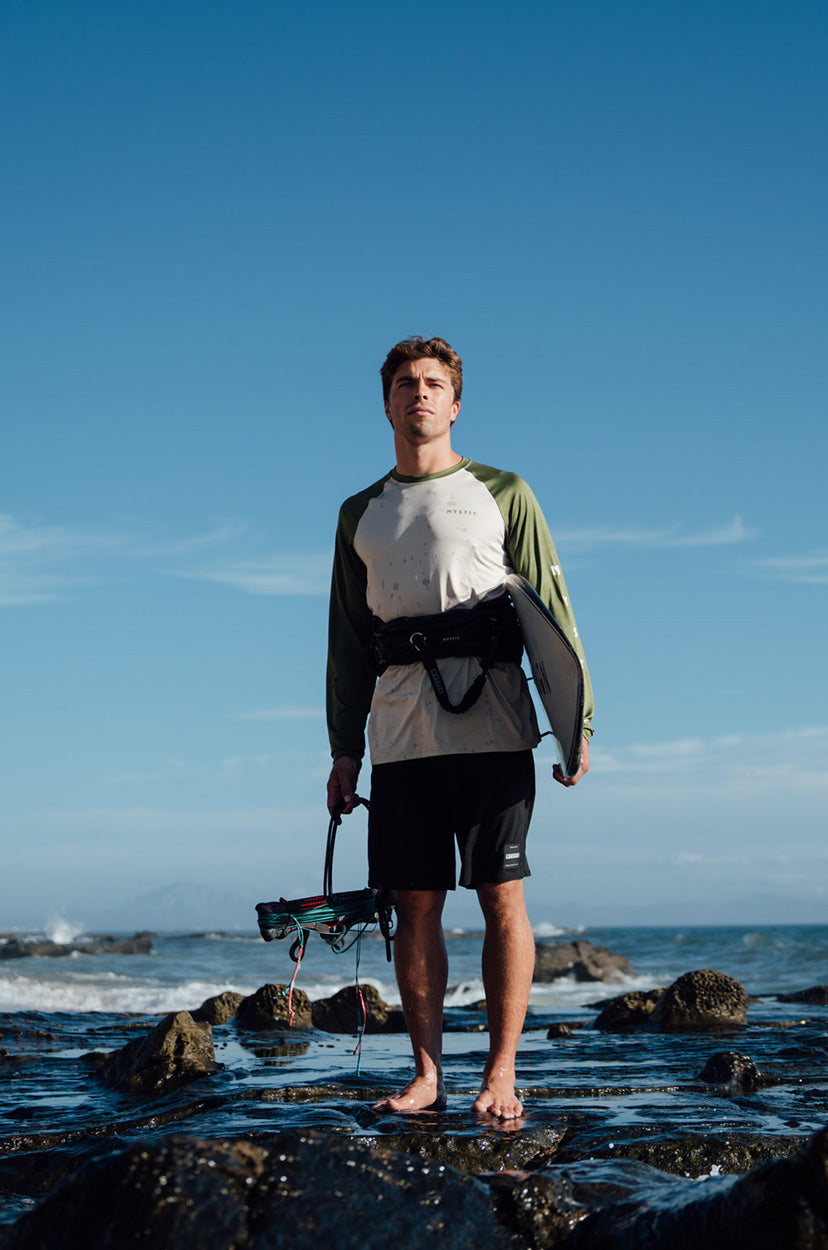
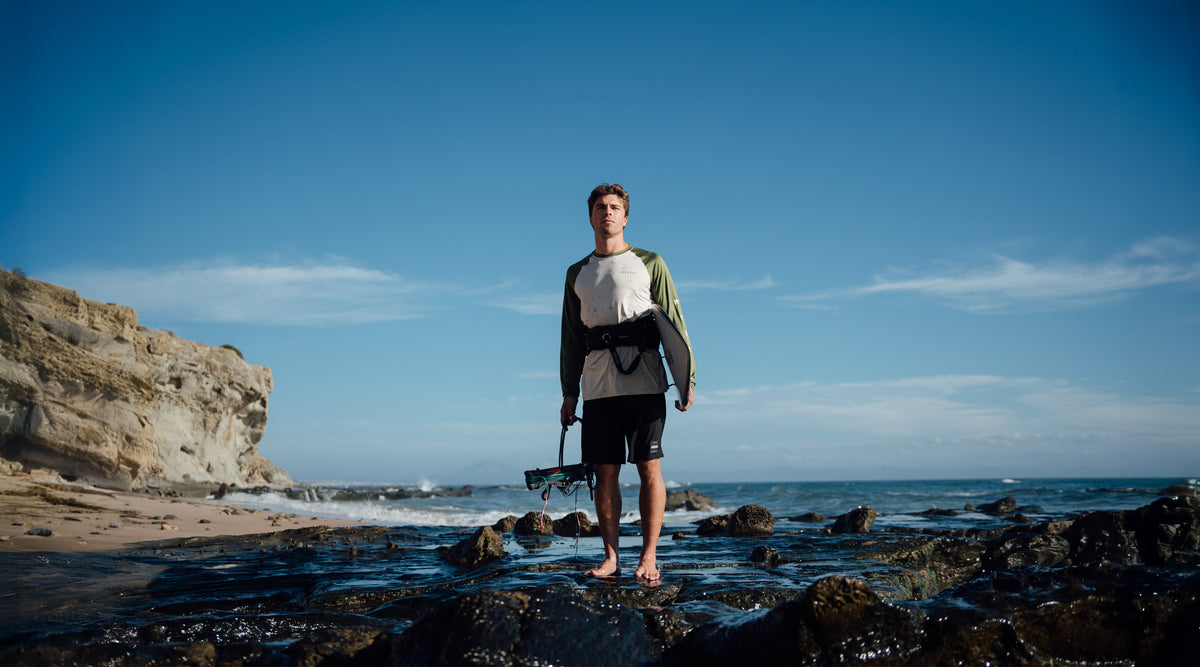
For water sports use, UPF 50+ is what you should be looking for. It blocks 98% or more of UV radiation, and given that you’re often spending three to six hours in direct sun reflected off the water, the marginal extra protection over UPF 30 is meaningful.
How UPF Holds Up Over Time
A UPF rating measures the fabric when new. The catch: UPF degrades with use. Stretching, salt exposure, chlorine, UV exposure itself, and washing all reduce a fabric’s UV-blocking performance over time. A rash vest that started life at UPF 50+ may be at UPF 30 after two summers of regular use.
Two practical implications. First, rinse your rash vest in fresh water after every salt or chlorine session - this slows the degradation significantly. Second, if you have one rash vest doing five years of duty, the older it gets the more you should rely on sunscreen as the primary UV layer rather than the fabric. Replacing a rash vest every three to four seasons keeps the protection profile honest.
Why Fabric Coverage Matters as Much as Rating
A UPF 50+ rash vest only protects skin it actually covers. The neck, the forearms below a short sleeve, the backs of the hands - all unprotected. For a long session, especially in low latitudes or at altitude, a long-sleeve rash vest with a high collar covers significantly more skin than a short-sleeve. The actual protection delivered is the rating multiplied by the coverage area.
This is why long-sleeve rash vests are the standard for summer water sports use and short-sleeve versions are usually positioned as a layering or chafe-only piece. Browse our rash vest collection for both cuts.
Choosing a rash Vest for Your Sport
The rash vest you want depends on the sport, the climate, and whether you’re layering it under a wetsuit or wearing it solo.
Surfing
Surfers usually need both jobs at once: chafe protection - from board and wetsuit - through the milder months and UV protection in summer worn alone. A long-sleeve, UPF 50+ rash vest with a slim athletic fit covers both. Look for a flatlock-stitched seam pattern that won’t rub during paddling - the seams across the shoulders and under the arms see the most movement, and rough seam construction will rub raw faster than no rash vest at all.
For warm-water surf trips, a slightly looser cut sometimes preferred — it traps a little water against the skin which evaporates and cools you down. For winter under-wetsuit use, snug is better. Browse our men’s rash vests and women’s rash vests collections.
Kitesurfing & Wing Foiling
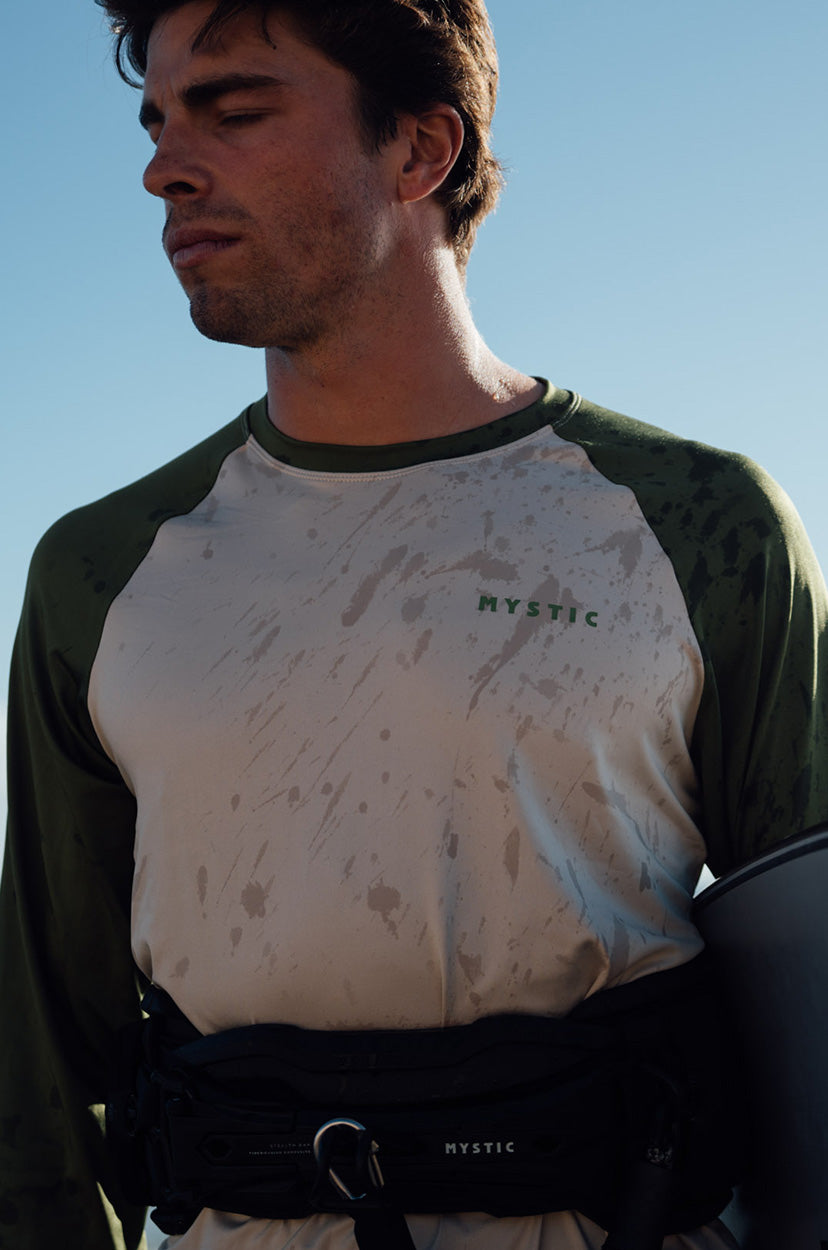
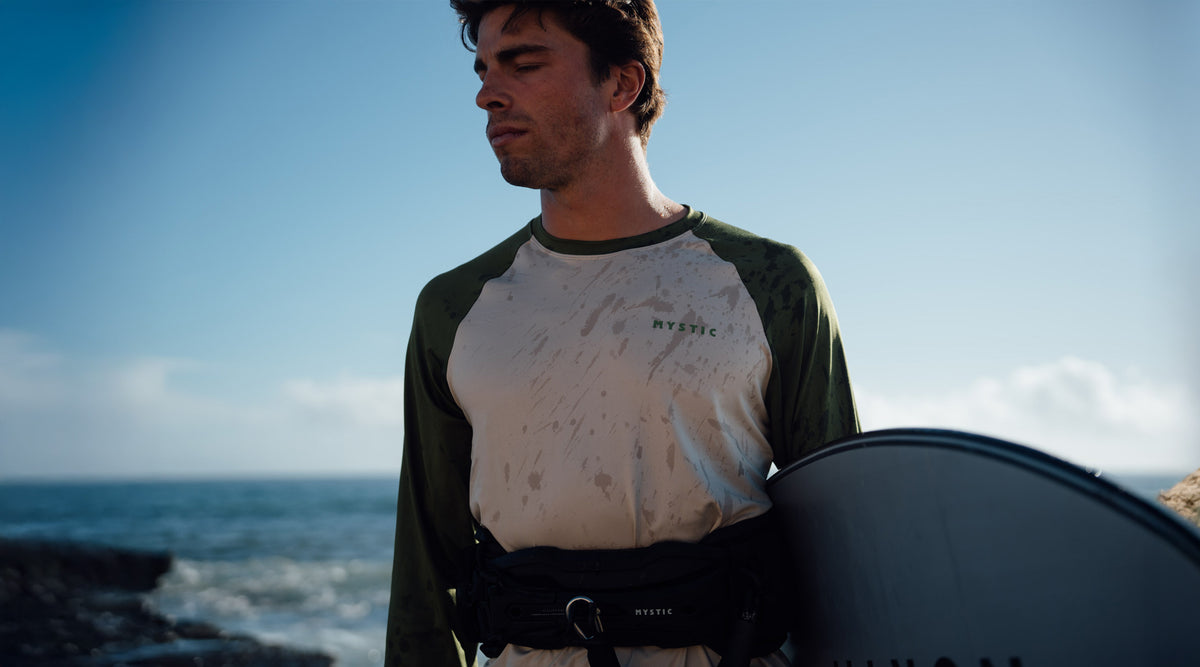
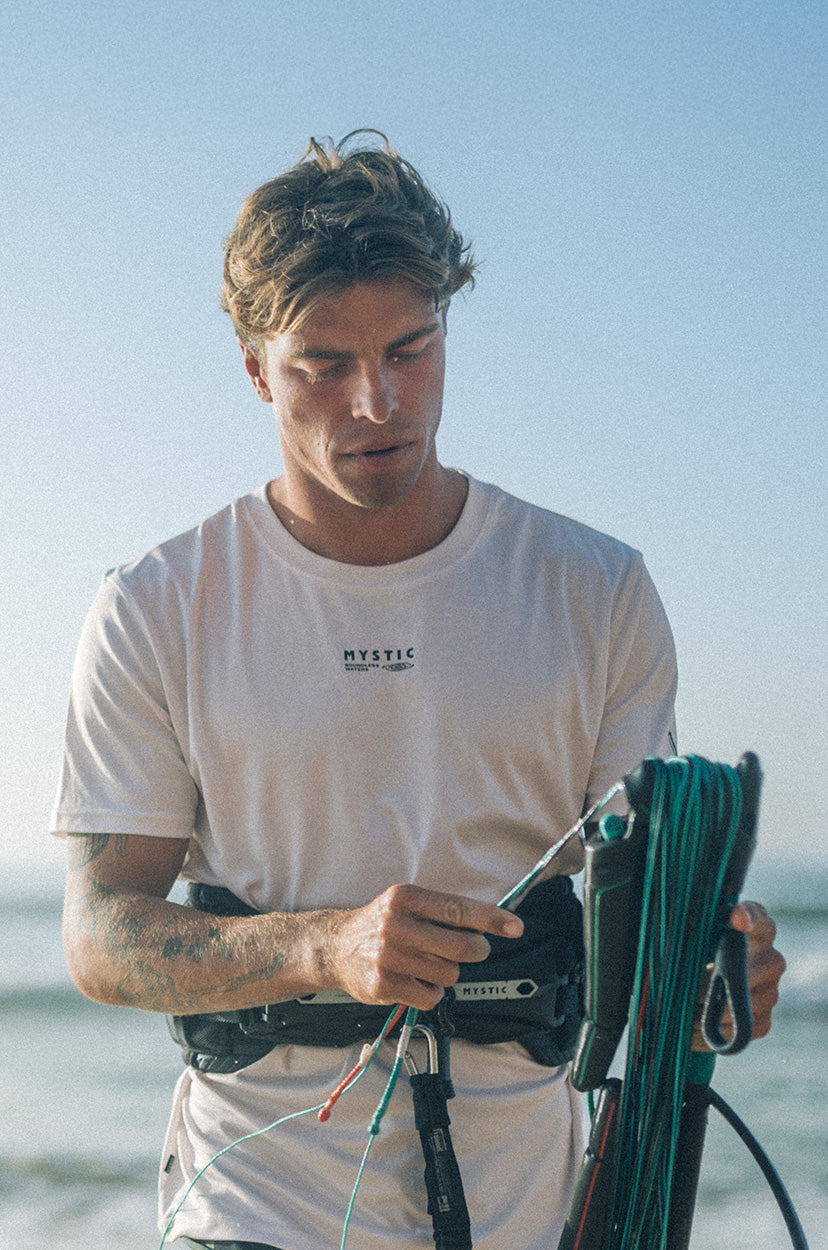
Kite and wing riders are typically in the wind for longer than surfers and exposed to more direct sun above the surface. A long-sleeve UPF 50+ vest is almost mandatory for any session over an hour in summer. The other consideration is layering - a rash vest worn under an impact vest stops the foam panels rubbing against bare skin, especially across the front and sides of the rib cage. Even a thin rash vest transforms how an impact vest feels over a multi-hour session. There’s a safety angle too: a bright-coloured rash vest makes you far easier to spot from the beach or a rescue boat if you get separated from your kit - it’s no accident that so many kite vests come in colours that stand out against the water.
Layering: Under or Over a Wetsuit
The single biggest practical question with rash vests is whether to wear one under your wetsuit. In warm and mild water the answer is usually yes - but in cold water it flips, and the right layer matters.
A rash vest under a wetsuit serves two purposes. First, it stops the neoprene rubbing your skin during long sessions. The classic chafe points are the chest (especially around the nipples), under the arms, the small of the back, and around the neck where a wetsuit collar sits. A thin rash vest creates a smooth fabric layer that lets the neoprene flex without grabbing skin. Modern wetsuits with soft inner linings have made chafe far less of a problem than it used to be, but on long sessions the classic points can still make themselves known.
Second, in mild conditions it can add a small thermal layer - but only if it fits as snugly as skin. This is where cold water changes the rules. A wetsuit keeps you warm by trapping a thin layer of water against your skin, which your body heats and the neoprene holds in place. A standard lycra rash vest that doesn’t seal tightly at the neck, wrists, and waist disrupts that seal and lets cold water flush between the layers as you move, swapping the water you’ve warmed for fresh cold water. Riders in genuinely cold conditions often report being colder with a regular rash vest underneath than without one.
So the rule splits by temperature. In warm and mild water, the right under-wetsuit rash vest is thin, snug, and quick-drying - a standard polyester or nylon-spandex blend works perfectly. In cold water, skip the standard lycra vest entirely: go bare-skin under the wetsuit, or use a purpose-built thermal base layer with a neoprene-lined or plush-backed construction that’s designed to insulate rather than flush.
For warm-water sessions where the wetsuit comes off entirely, a rash vest is the natural standalone replacement. Worn over board shorts or a swimsuit, it’s the summer equivalent of a wetsuit top - UV protection, modesty, and chafe protection rolled into one piece. Pair it with a changing poncho for the post-session cool-down and you’ve got a complete warm-weather setup.
Materials, Fit & Construction
Two rash vests can look almost identical and perform very differently. The differences come down to fabric, fit, and stitching.
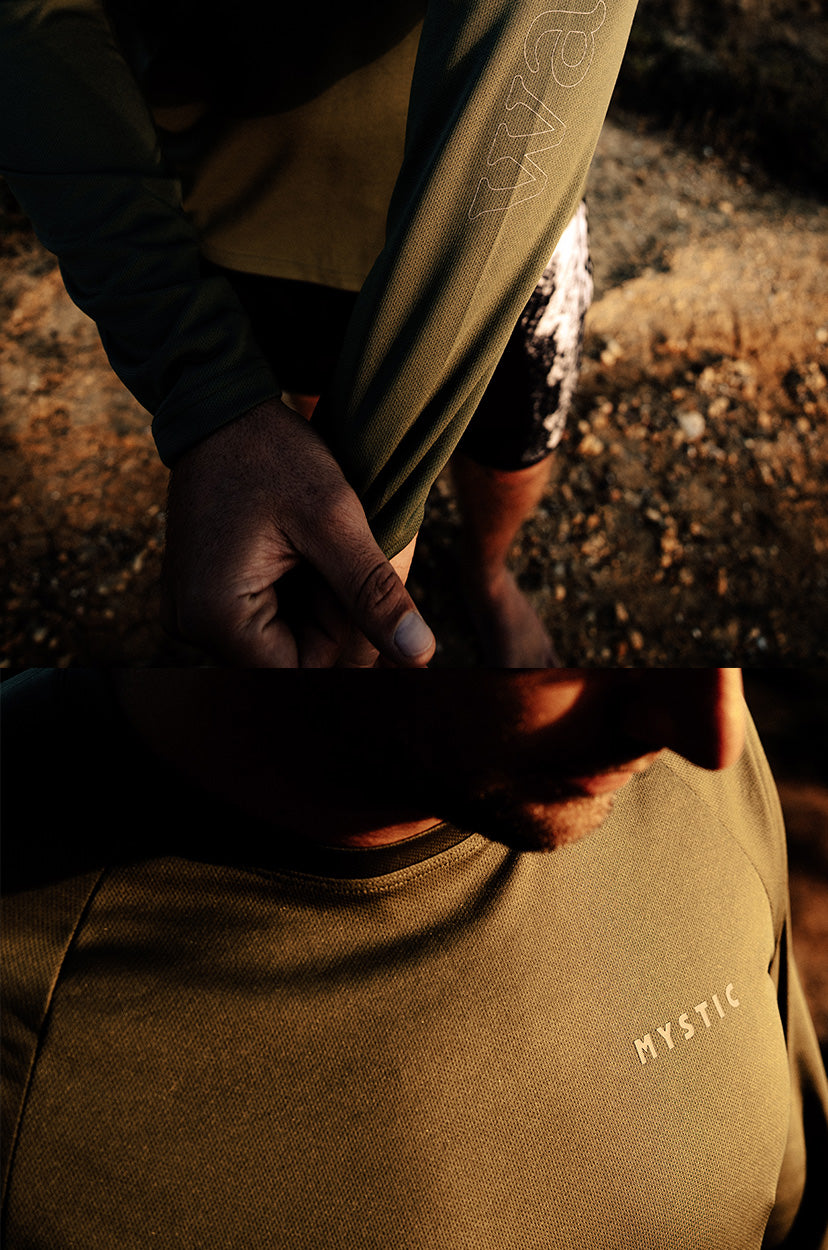
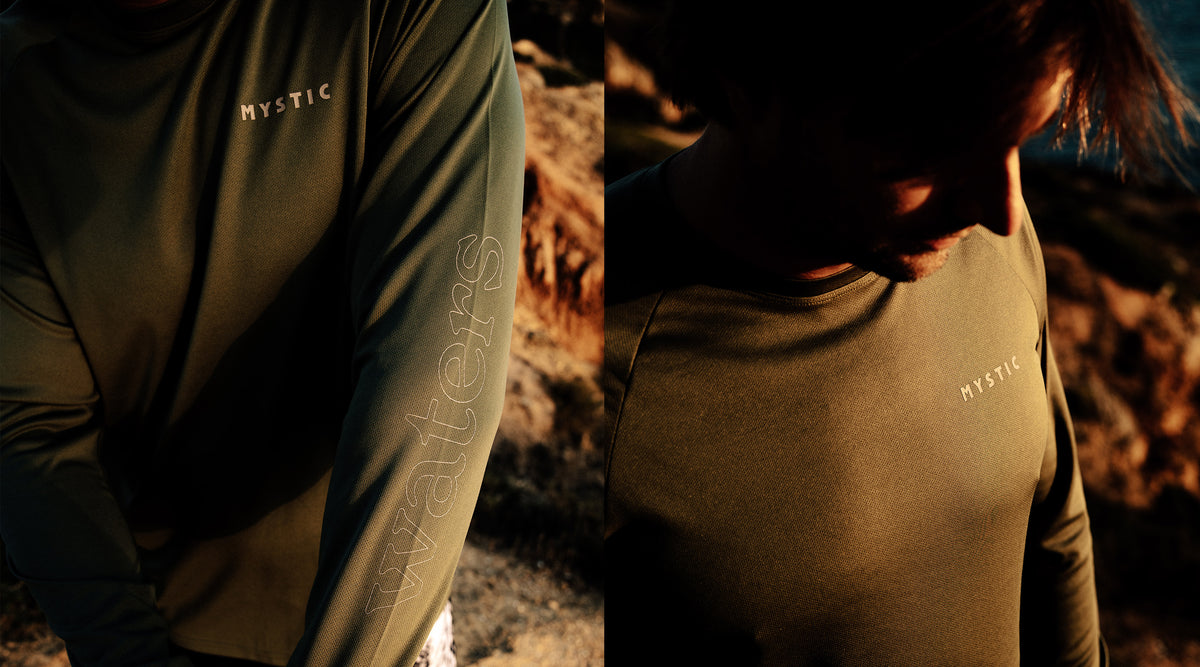
Polyester vs nylon-spandex. Polyester is the most common rash vest fabric. It’s UV-stable, dries fast, holds its shape over time, and feels smooth against skin. Nylon-spandex blends are stretchier and feel softer but degrade faster under UV exposure. For pure UV protection performance over multiple seasons, polyester wins. For maximum stretch and movement, nylon blends edge ahead.
Sleeve length. Long sleeves mean more UV coverage and slightly more warmth. Short sleeves mean better arm mobility and easier on/off. For most water sports use, long sleeves are the default and short sleeves are a secondary purchase for hot, low-exposure conditions.
Fit. A proper rash vest fits snugly without restricting movement. Loose rash vests bunch under wetsuits, ride up during paddling, and trap water in cold conditions. Too-tight rash vests restrict shoulder movement and feel uncomfortable over a long session. The right fit is firm against your body when dry, with no excess fabric anywhere, but allowing a full overhead reach without pulling.
Flatlock seams. Flatlock stitching is non-negotiable for rash vests, especially ones worn under a wetsuit or for long sessions. A flatlock seam sits flush against your skin instead of forming a raised ridge that rubs over hours of movement. Standard overlocked seams will eventually create the exact rash a rash vest is meant to prevent.

Sizing a Rash Vest
Rash vest sizing follows the same logic as wetsuit sizing - covered in detail in our Wetsuit Sizing & Temperature Guide - but with one important difference: rash vests should generally fit snugger than your wetsuit.
A wetsuit needs to be snug to keep its warm water layer in place. A rash vest needs to be snug for a different reason - to sit flush against your skin so it doesn’t bunch under a wetsuit or shift around during movement. Most riders find their rash vest size is one closer to “skin-tight” than their wetsuit size suggests.
Take your chest measurement at the widest point under your arms with the tape parallel to the floor. Cross-reference it with the specific brand’s size chart. If you’re between sizes, go down rather than up - a slightly tight rash vest stretches with use, but a loose one stays loose.
Care, Drying & Lifespan
A rash vest is one of the easier pieces of kit to care for, but a few habits dramatically extend its useful life.
Rinse it in fresh water after every session - salt and chlorine both degrade the fabric and the UPF rating. Hang it in the shade to dry; UV exposure when drying is one of the fastest ways to degrade UPF performance, which is the irony of leaving a UV-protective garment in the sun. Avoid the tumble dryer; high heat damages the spandex content of the fabric and shortens its life.
Most rash vests can be machine-washed cool with mild detergent. Skip the fabric softener - it coats the fibres and reduces both UV protection and quick-dry performance. Don’t iron, and don’t dry-clean.
A well-cared-for rash vest should last three to five seasons of regular use. The signs that it needs replacing are loss of stretch (it doesn’t snap back to shape after stretching), visible thinning of the fabric, or fading on the shoulders and back where UV exposure is highest. Once a rash vest fades noticeably, its UPF rating has likely dropped meaningfully - time to retire it to gardening duty and replace it.
You may also like
FAQ
A rash vest is a tight-fitting top made from stretchy, UV-protective synthetic fabric, worn for water sports. It protects your skin from chafing against boards and wetsuits and from sun damage during long water sessions. Thesame garment is called a “rash guard” in North America.
Nothing meaningful. “Rash vest” is thecommon UK and European term, “rash guard” is theNorth American term. Both refer to thesame product - a tight-fitting, UV-protective stretch top for water sports use.
If you ride or swim regularly in summer, yes. Long sessions in direct sun expose you to enough UV radiation to cause meaningful skin damage even with sunscreen. If you ride in winter under a wetsuit, a rash vest stops theneoprene chafing your skin during long sessions. Thesingle rash vest covers both jobs.
In warm and mild water, yes - for any session over an hour. A thin, snug rash vest stops theneoprene rubbing thechafe-prone areas of your chest, armpits, lower back, and neck, and makes thewetsuit easier to put on and take off. In cold water, no - a standard lycra rash vest breaks thethin skin-water seal your wetsuit relies on for insulation, lets water flush between thelayers, and can leave you colder than wearing nothing underneath. For cold sessions, go bare-skin or use a purpose-built thermal base layer (neoprene-lined or plush-backed) instead.
UPF stands for Ultraviolet Protection Factor. UPF 50 means thefabric blocks 98% of UV radiation that would otherwise reach your skin. UPF 50+ is thehighest standard rating and is what you want in a rash vest you’ll be wearing during long sun-exposure sessions.
Yes - high-UPF rash vests block more UV than most sunscreen does, and they don’t wear off, run, or need reapplying. The catch is that they only protect skin they cover, so a long-sleeve rash vest with a high collar protects significantly more area than a short-sleeve. UPF rating also degrades over time with washing, salt, and UV exposure, so older rash vests offer less protection than new ones.
Yes - a long-sleeve UPF 50+ rash vest worn over board shorts or a swimsuit is thestandard summer water sports kit for both UV protection and modesty. It’s also one of themost useful pieces of kit for parents wanting to keep kids covered up at thebeach.
Polyester is the standard for UV-stable, long-lasting rash vests - it holds its shape, dries fast, and resists UV degradation better than nylon. Nylon-spandex blends are stretchier and softer but break down faster under UV. For pure performance over multiple seasons, polyester wins; for maximum stretch and softness, nylon edges it.
With proper care - fresh water rinse after every session, shade drying, no tumble drying - a rash vest lasts three to five seasons of regular use. Replace it when the fabric loses its stretch, visibly fades, or thins on the shoulders. Faded fabric usually means theUPF rating has dropped meaningfully.