Kitesurf Trip: Reise-Essentials

Ready to start checking places off your kitesurfing bucket list? Imagine riding the Hawaiian waves, cruising through Brazil's crystal-clear lagoons, or even swooshing over Norway's snowy wonderlands. Going on a kite trip means you’ll get to enjoy your favorite sport wherever you go, meet new people, and fully explore a new place on and off your board. 
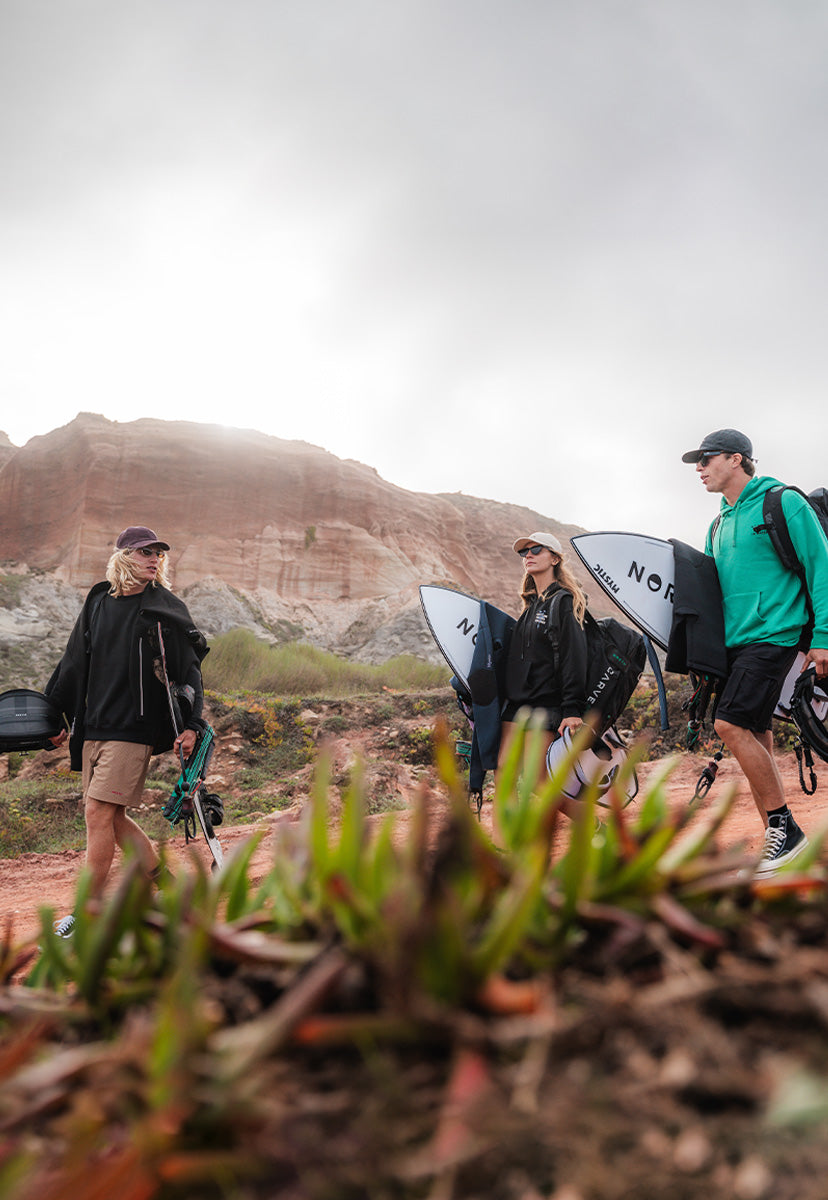
3 kitesurfers all packed up ready for the kitetrip
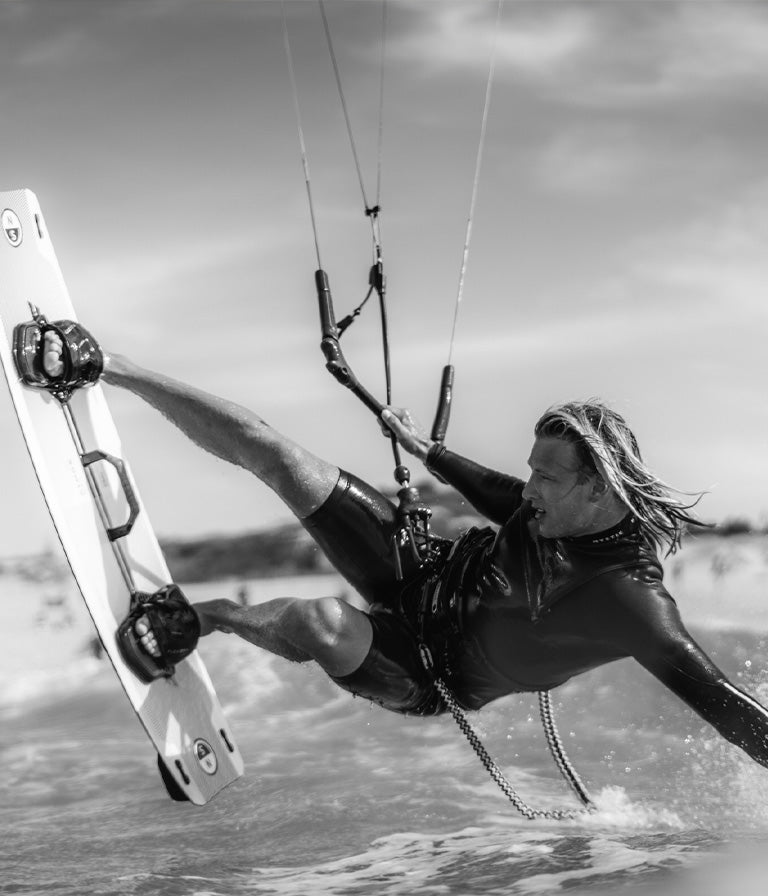
kitesurfer demonstrating hand drag
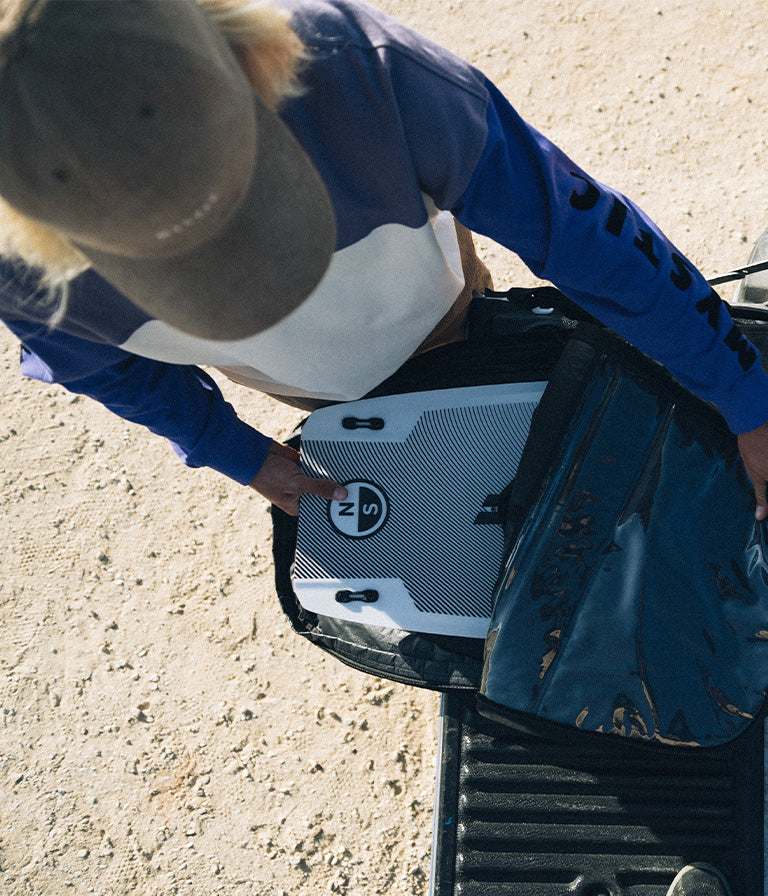
Kitesurfing packing his twintip for kite trip
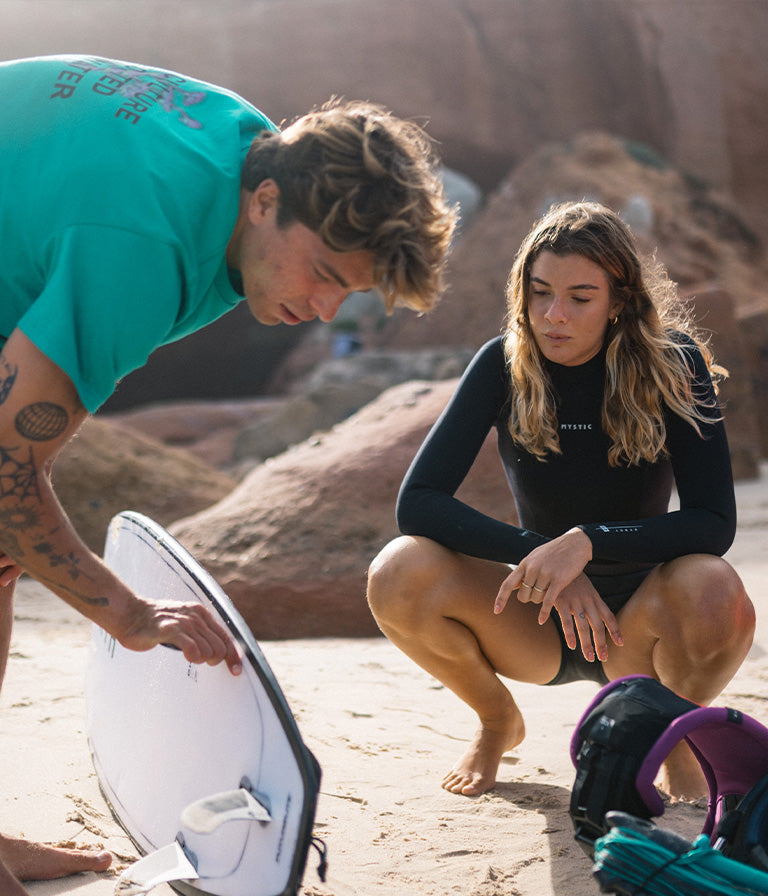
Kitesurfer checking his fins before his kite trip
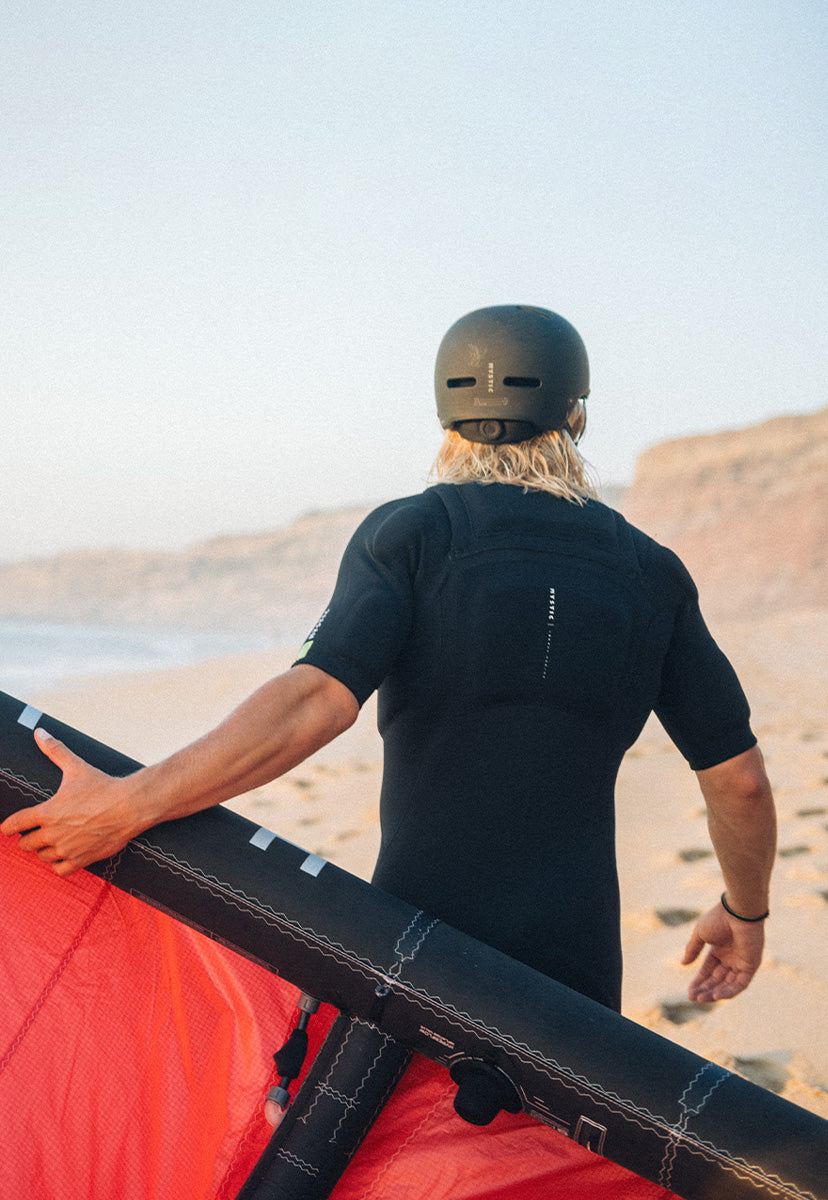
Kitesurfer carrying his kite towards the ocean

FAQ

Bring your own kitesurf gear if you plan to ride more than once, if you know your setup well or if you are travelling to a spot where rental gear may be limited, expensive or not in the condition you prefer. Riding your own kites, board, bar and harness gives you more confidence because you already know how the equipment reacts. Renting can make sense for short trips, beginner lessons or destinations where travelling with a full kite setup is not practical. But if kitesurfing is the main purpose of the trip, bringing your own gear is usually the better choice. In that case, choose the right boardbag, check airline size and weight limits, and inspect your gear before packing.

The best boardbag for a kitesurf trip depends on how much gear you want to bring. Choose your bag based on board size, number of kites, number of boards, travel weight and whether you need wheels for airport transport. Choose the Saga if you want a compact kite travel boardbag for 1 twintip, 2 kites, bar, pump, wetsuits and harness. This is a strong choice if you want a clean travel setup without overpacking. Choose the Elevate Lightweight Boardbag if you want a lighter wheeled boardbag for 1 twintip, 3 kites, bar, pump, wetsuits and harness. This is useful when you want to carry more kite gear, but still keep the bag lighter and easier to handle. Choose the Saga Golfbag if you want a golfbag-style kite travel bag for 1 twintip, 3 kites, bar, pump, wetsuits and harness. It gives more volume than a compact setup and is a good choice for riders who want space for a full kite trip setup. Always check your airline's baggage policy before flying, because golfbag, sports baggage, size and weight rules can change. Choose the Saga XL if you need more room for longer trips or more equipment. The smaller Saga XL sizes work for 1 twintip, 3 kites, bar, pump, wetsuits and harness, while the larger 175cm version can carry 2 twintips, 3 kites, bar, pump, wetsuits and harness. Choose the Patrol XL Wheeled Boardbag if you want a wheeled travel bag with kite-trip capacity. The smaller sizes work for 1 twintip, 3 kites, bar, pump, wetsuits and harness, while the larger 175cm version can carry 2 twintips, 3 kites, bar, pump, wetsuits and harness. Choose the Patrol Day Cover Twintip only for local transport and daily board protection. It is useful for protecting your twintip on the way to the spot, but it is not the right choice as your main flight travel bag.

For a kitesurf trip, pack your gear based on the wind range, water temperature, destination and how many sessions you plan to ride. A strong basic setup includes your kites, bar, board, harness, safety leash, wetsuit or waterwear, sunscreen, repair kit, poncho or towel, dry bag and first aid kit. If kitesurfing is the main reason for the trip, use a proper kite travel boardbag instead of a normal suitcase. For warm destinations, pack rashguards, quickdry tops, boardshorts or bikini, sun protection and a lighter wetsuit or shorty if needed. For colder destinations, pack the right Mystic wetsuit, plus boots, gloves or a hood if the conditions require it. For stronger wind, waves, reefs, shallow spots or unfamiliar locations, also bring a watersports helmet and a kite impact vest.

Start by checking your airline's size and weight limits before packing. Remove loose or sharp parts from your kiteboard, such as fins, screws or bindings, and store them in a separate pouch or ziplock bag. Label small parts clearly so they are easy to find when you arrive. Place your kites low in the boardbag and use softer items such as wetsuits, towels, rashguards and clothing as padding around your board, bar and harness. Wrap the kiteboard and bar with towels, clothes or extra padding to reduce scratches and pressure marks during travel. Use the space inside the boardbag carefully, but avoid overpacking so the bag becomes too heavy or difficult to close. Add a luggage tag with your name, phone number and email in case the bag gets delayed or misplaced.

Choose your wetsuit and waterwear based on the water temperature, wind chill, season and local conditions at your destination. For warm-water trips, pack boardshorts or bikini, rashguards, quickdry tops and sunscreen. For mild conditions, pack a 3/2 wetsuit, shorty or light neoprene layer. For colder destinations, pack a thicker Mystic Wetsuit, plus boots, gloves and a hood if the water or wind is cold. For sun protection and warm sessions, pack Mystic Rash & Quickdry pieces. For changing and drying after your session, bring a Mystic Poncho or towel. If the beach has sharp shells, reef or rocky entries, pack water shoes or neoprene boots. A good kitesurf travel setup should keep you protected both on the water and between sessions.

Pack safety gear that matches the spot, wind strength and risk level of the destination. A basic setup should include a safety leash, sunscreen or zinc, first aid kit and repair kit. For stronger wind, waves, shallow water, reefs or unfamiliar spots, we also recommend a watersports helmet and an impact vest. Choose the Vandal Pro Helmet if you want our lightest and most adjustable helmet, or choose the Vandal Helmet if you want reliable watersports protection in a more accessible setup. Men can choose kite impact options such as the Solace Impact Vest, Block Impact Vest, Star Impact Vest or Foil Impact Vest. Women can choose options such as the Dusk Impact Vest, Ruby Impact Vest or Star Impact Vest. If certified buoyancy support is your priority, choose a floatation vest instead of an impact vest.

Small accessories can make a big difference when travelling with kitesurf gear. A DTS Dry Bag is useful for wet gear, beach essentials and keeping smaller items separate from the rest of your luggage. A DTS Duffle helps organise clothes, accessories and travel items outside your boardbag. A Mystic Poncho or towel makes changing easier after sessions and keeps you warmer between rides. Also pack a repair kit, spare screws, spare fins if needed, sunscreen, zinc, sunglasses, reusable water bottle and a small first aid kit. If you travel with wet gear often, keep one bag or pouch only for damp items so the rest of your luggage stays dry. The goal is to keep your kite gear protected, your essentials organised and your travel setup easy to carry from airport to beach.