But hereβs the catch β although incredibly rewarding, traveling with your kite gear can be tricky if you donβt get the logistics right. If youβve ever wondered how to fit all your gear into one bag, but still have room for your clothes and more, then keep reading. Weβve put together this helpful guide that covers everything you need to know about packing, transporting, and protecting your gear while youβre on the road ββ―so that you can have a safe and enjoyable time, every time.
Buying vs renting gear
Before we get started, you may be wondering at what point itβs worth renting gear at your destination instead of bringing yours with you. The answer depends on how much youβre planning on kitesurfing during your trip. But as soon as itβs more than just one session β itβs worth bringing your own, especially if you consider the long term. At rental shops, youβll easily be paying something like 80 euros every single day for gear thatβs in bad shape. If youβre hitting the waves regularly, those rental fees add up fast. Before you know it, youβve spent more than what it wouldβve cost to just buy and bring your own stuff. Plus, when you own your gear, youβre riding with gear you trust and know well. So, maybe grab a calculator and crunch those numbers. Investing in and bringing your own gear could be the smarter move.
If youβre hitting the waves regularly, those rental fees add up fast. Before you know it, youβve spent more than what it wouldβve cost to just buy and bring your own stuff.
Consider your destination
So youβve picked the perfect spot for your next kitesurfing trip. Packing is now a game of matching the wind to your sails β literally. Before you zip up your bags, think about the wind conditions and the season of your chosen destination. Are you heading to a breezy beach with steady winds or a spot known for its challenging gusts? Each place calls for different types of gear. And letβs not forget the spotβs difficulty level β are you in for a relaxed ride or an adrenaline-pumping challenge? This choice will shape what you pack.
The right boardbag, the right airline
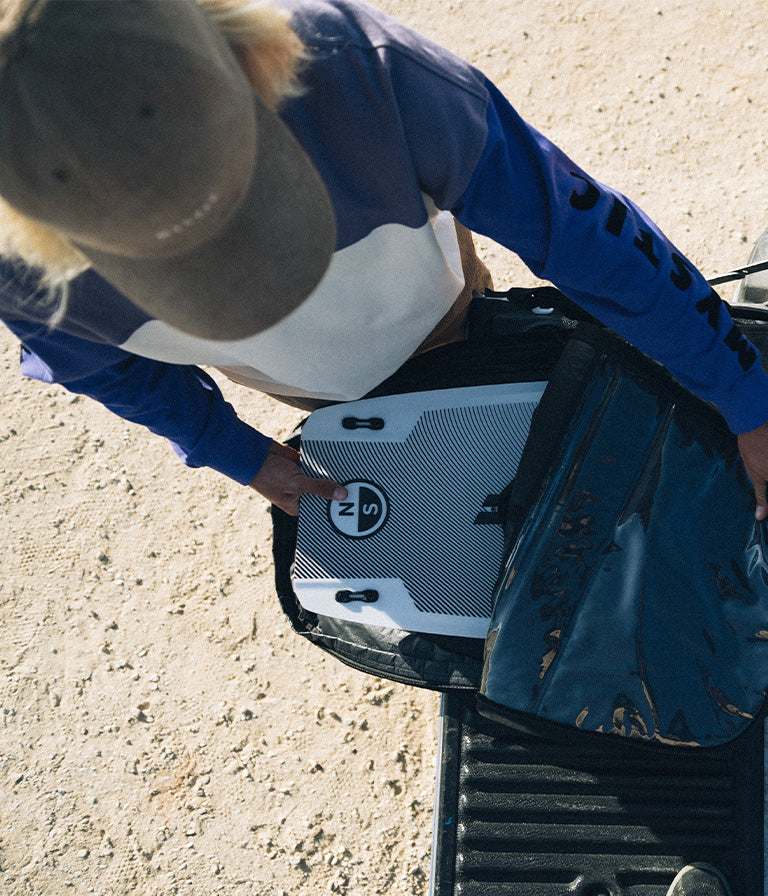
Efficient packing for a kitesurfing trip starts with a high-quality boardbag. First up, invest in a boardbag with wheels. This isnβt just about convenience; itβs about saving your back during those long airport hauls. Before you start packing, double-check the weight and size limits of your airline β you donβt want any nasty surprises at the check-in desk. A pro tip here: many airlines offer discounts for traveling with golf gear, so consider using the Mystic golf bag to sneak in some of your gear. Otherwise just ensure you pick one thatβs just the right size for your kiteboard, kites, and other essentials. Make sure it fits within your airlineβs baggage policy to avoid any excess baggage fees.
Kite Gear Checklist
Below is an essential list of the gear we bring on every trip. Ensure you always check your equipment in advance for any wear and tear that will indicate whether or not it needs to be replaced. Thereβs nothing worse than showing up with damaged gear at your dream spot.
- Kite gear: 2-3 kites, bar, 2 boards, harness, repair kit, safety leash, helmet, impact vest, optional: pump
- Clothing: wetsuit or shorty, 2 rashguards or lycras, bikini or boardshorts, hat, sunglasses, poncho or towel, optional: water shoes
- Protection: sunscreen (zinc cream), first aid kit
- Accessories: water bottle, dry bag, massage gun or foam roller.
Get packing
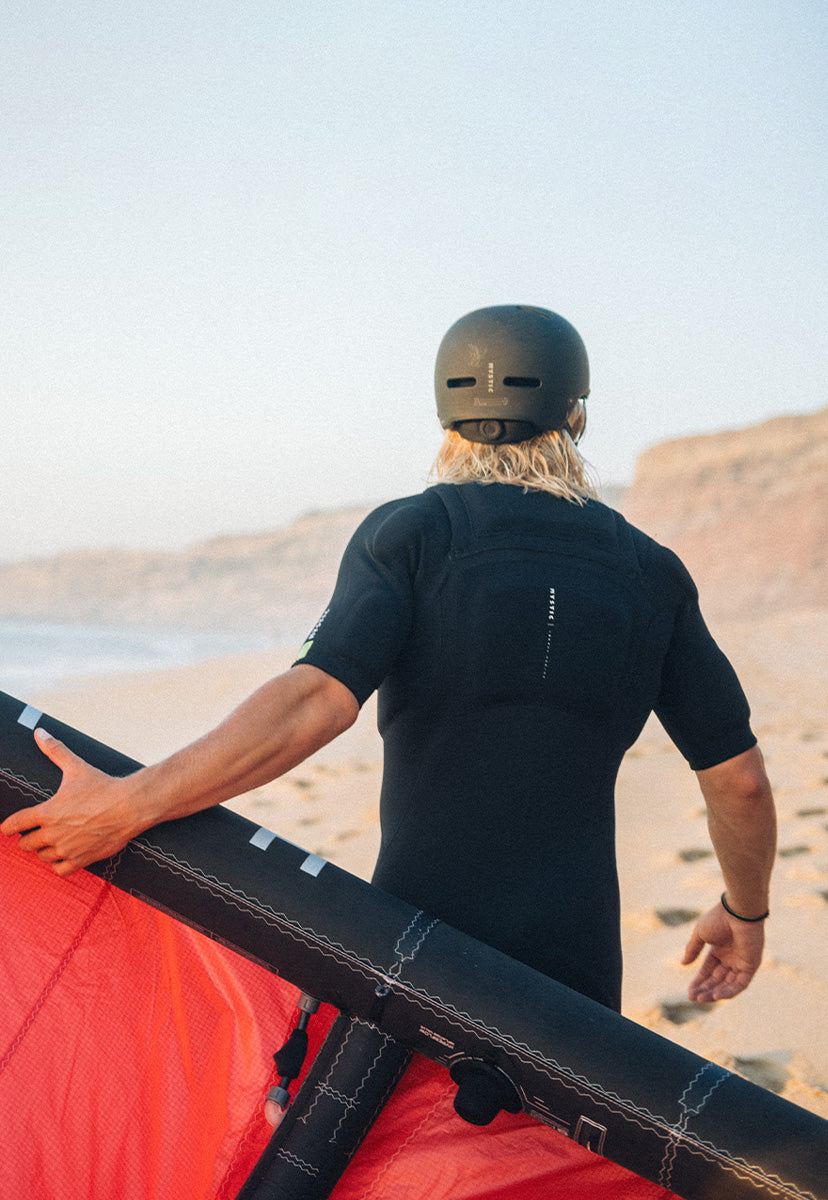
When packing your board and kite, give them the care they deserve. Wrap your board and kite carefully to protect them from the jostles and bumps of travel. Hereβs a handy trick: leave your kite bags at home. Not only will you save a few kilos, but when itβs time to head to the beach, just wrap your kite in your harness. Also, remove any loose or sharp items from your kiteboard, like fins, screws, or bindings. Store them in a separate pouch or ziplock bag, and label them clearly β this helps you stay organized and protects your gear.
For an extra layer of safety, wrap your kiteboard and bar in bubble wrap, towels, or clothes. This isnβt just padding; itβs protection against scratches and dents. Place them on top of the kites in your kitebag, and use any empty spaces to tuck in soft items like wetsuits, harnesses, or more clothes. And hereβs a little secret: you can probably leave your pump at home. Most spots will have one available on the beach.
Still got some spare room in your boardbag? Keep filling it up with your clothes and other essentials. You might find that you donβt even need additional travel luggage. And donβt forget to add a tag to your travel bag with your name, address, phone number, and email β just in case it decides to go on its own little adventure.
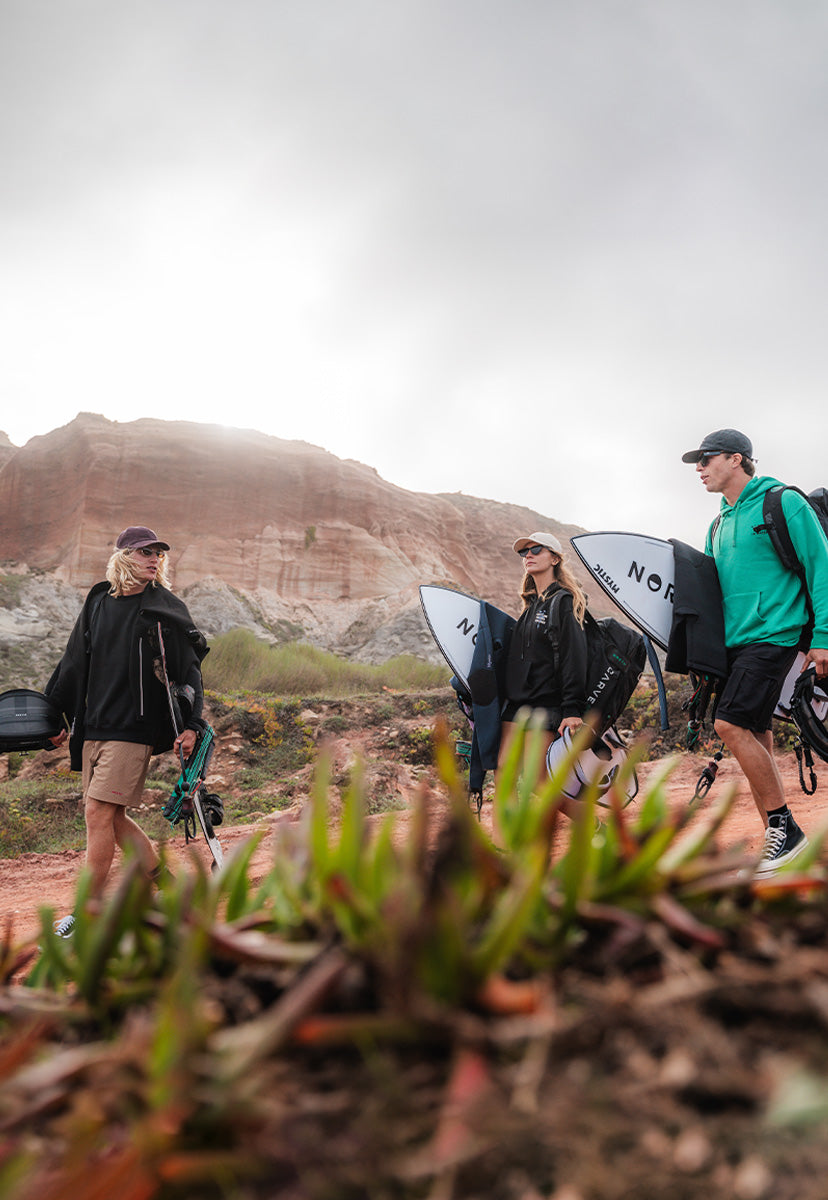
Still got some spare room in your boardbag? Keep filling it up with your clothes and other essentials. You might find that you donβt even need additional travel luggage.
Get insured
Securing solid travel insurance is a must for any kitesurfing trip, and itβs not just about covering the basics. Make sure it includes coverage specifically for kitesurfing activities β you donβt want any nasty surprises if you take a tumble or your kite decides to go rogue. Medical expenses are a no-brainer; after all, better safe than sorry. But also think about your precious gear. Look for a policy that covers damage or loss, because letβs face it, kitesurfing gear isnβt cheap, and the ocean can be unforgiving. If youβre on the hunt for a reliable insurance option, Club North has got your back. They cover you on the water in all conditions and offer exclusive access and experiences for you to make the most out of your rides.
Final travel tips
Diving into a new kitesurfing destination is also about embracing the local culture and environment. A great way to start is by learning some of the local language. Even a few basic words and phrases can go a long way. Knowing how to say hello, thank you, and ask for directions not only shows respect but can also enrich your travel experience. Youβll connect better with locals, and who knows, you might even pick up some insider tips about hidden kitesurfing gems!
Respecting local rules and the environment is also key. Every kitesurfing spot has its own set of guidelines and etiquette. Make sure youβre familiar with them to keep both yourself and others safe. Be mindful of the environment β donβt litter, and treat the natural surroundings with the care they deserve. Also, take time to understand the specific conditions of the spot youβre visiting. This includes local tides, reef locations, potential dangerous marine life, and any specific hazards like sharp shells or tricky off-shore winds. Being informed is key to a safe and enjoyable experience.
Knowing how to say hello, thank you, and ask for directions not only shows respect but can also enrich your travel experience.
And of course, while youβre out there having the time of your life, safety should always come first. Enjoy every moment, but always wear a helmet and an impact vest. These are not just accessories; theyβre essentials that could make a huge difference in an unexpected situation.
For those moments of downtime during your travels, or if youβre just looking to get pumped up for your next session, check out Red Bull Chapter One: The Kiteboard Legacy Begins. Itβs the perfect way to fuel your stoke for the adventures ahead. Safe travels!
Related products